Bag Making Machine Delivery Technical Deep Dive: Logistics Planning and Containerization Optimization
Bag making machine delivery is a complex logistics operation that requires meticulous planning to ensure the machine arrives undamaged and on schedule. The process begins with crate design – a critical factor in preventing shipping damage. The machine is typically mounted on a heavy-duty steel base frame, then enclosed in a wooden crate with plywood skin. The crate must be engineered to withstand stack loads (up to 4 tons), fork truck handling, and sea-salt exposure. The machine is bolted to the base with 8-12 M20 bolts, and the bolt holes are sealed with silicone to prevent moisture ingress. Desiccant bags are placed inside to absorb humidity; a humidity indicator card shows if the crate has been exposed to excessive moisture. The crate dimensions and weight are calculated; for a typical 1200mm T-shirt machine, the crate is about 4m × 2m × 2.5m, weighing 5-8 tons. The center of gravity is marked on the crate for safe lifting. The crate is also labeled with "Fragile," "This Side Up," and handling instructions. The buyer must provide the supplier with the shipping address, dock details, and any special handling requirements (e.g., crane loading).
Containerization optimization: For international shipping, the crate is loaded into a 40-foot high-cube container or a flat rack if oversized. The container's floor load capacity (approx. 2.5 tons/m²) must be checked; if the machine's footprint is small, the load may exceed the limit, requiring a spreader plate. The machine is braced inside the container using wooden wedges and steel straps to prevent movement. If multiple machines are shipped together, they are arranged to optimize space – e.g., two machines can fit in one 40-foot container if their crates are designed for stacking. The container's tare weight and the machine's weight determine the total shipping weight; this affects freight cost. The buyer should work with a freight forwarder to choose the most cost-effective shipping mode – sea freight is cheapest but slowest (30-50 days), air freight is faster but expensive (5-10 days). For urgent deliveries, air freight may be justified. The buyer should also consider the incoterms: FOB (Free on Board) means the buyer is responsible for shipping and insurance; CIF (Cost, Insurance, Freight) means the seller covers these. The buyer should compare quotes from multiple forwarders.
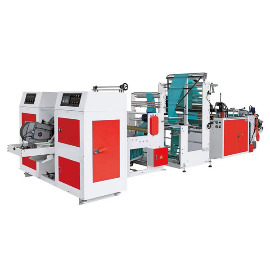
Plastic Bag Making Machine
Customs clearance and documentation: The machine must have a proper customs classification (HS code) – typically 8477.80 for bag making machines. The buyer's customs broker requires: commercial invoice (with value breakdown), packing list (with crate dimensions and weight), bill of lading (or airway bill), certificate of origin, and any import permits. The buyer should ensure that the machine complies with local safety standards (e.g., CE for Europe, UL for US) to avoid customs delays. Some countries require a pre-shipment inspection report. The buyer should also check if there are any anti-dumping duties on machinery from certain countries. The customs clearance process can take 1-2 weeks; pre-clearance can speed it up. The buyer should also arrange for marine cargo insurance to cover damage or loss during transit. The insurance premium is typically 0.3-0.8% of the machine's value. The buyer should review the insurance policy's exclusions (e.g., damage due to improper packing may not be covered). The supplier's packing should be documented with photos to support any insurance claim.
Delivery and on-site reception: Upon arrival at the destination port, the crate is transported to the buyer's facility by truck. The buyer must coordinate the delivery with the forwarder and have a receiving team ready. The crate is inspected for any external damage before unloading; if damage is found, it is noted on the delivery receipt and photos are taken. The crate is unloaded using a forklift or crane with adequate capacity. The machine is stored in a clean, dry area until installation. The buyer should also have a plan for disposing of the crate (recycle or return). The delivery process is documented in a delivery report. The buyer should also check the packing list against the delivered items – any missing items (e.g., spare parts kit, manuals) are reported to the supplier immediately. By following these logistics guidelines, buyers can ensure a smooth, damage-free delivery of their bag making machine, minimizing delays and additional costs.