Bag Making Machine Installation Technical Deep Dive: Utility Integration and Site Acceptance Test
After the mechanical installation and leveling, the bag making machine must be integrated with the plant's utilities and undergo a Site Acceptance Test (SAT) to verify its performance in the actual production environment. The utility integration includes electrical power, compressed air, cooling water, and network connectivity. The electrical connection must be performed by a licensed electrician. The machine's power cable is connected to a dedicated circuit breaker. The phase sequence is verified using a phase meter; incorrect sequence can cause the servo motors to run in reverse. The machine's control cabinet is checked for proper grounding. The compressed air line is connected with a filter-regulator-lubricator (FRL) unit. The filter removes moisture and particulates; the regulator sets the pressure; the lubricator (if used) adds a fine mist of oil to the pneumatic components. The air pressure is set to the machine's specification (6-8 bar). The air lines are checked for leaks using soapy water. The cooling water system is connected; the water flow rate is set using a flow meter. The water temperature is monitored; a chiller may be required if the plant water is too warm. The machine's network connection is established for data communication with the MES or remote monitoring. The network cable is connected to the PLC's Ethernet port; the IP address is configured.
Site Acceptance Test (SAT): The SAT is the final validation of the machine's performance. The test is conducted after the machine is installed and the utilities are connected. The test protocol is defined in the purchase contract. The buyer's production team and the supplier's technician are present. The test includes: 1) Run the machine at 50% speed for 30 minutes, 75% for 30 minutes, and 100% for 2 hours. 2) Measure bag length, width, and seal strength at regular intervals (every 100 bags). 3) Check registration accuracy for printed bags. 4) Measure the reject rate. 5) Test all optional features (printing, punching, zipper, stacking, bundling). 6) Verify the safety interlocks. 7) Check the machine's noise level (should be below the specified limit). 8) Verify the energy consumption. The test is documented with a report. If the machine passes the SAT, the buyer signs the acceptance certificate. If not, the supplier must correct the issues and re-test. The SAT typically takes 1-2 days. The buyer should have a team to observe the test and to operate the machine under the supplier's guidance.
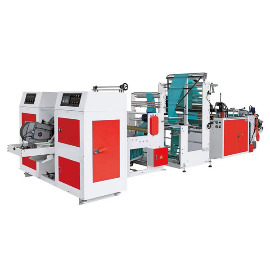
Plastic Bag Making Machine
Operator training during SAT: The SAT is an ideal time for operator training. The supplier's technician explains the machine's operation, HMI functions, and routine maintenance. The operators practice running the machine, changing recipes, and troubleshooting common issues. The training is documented in a training log. The buyer should also train the maintenance staff on the machine's mechanical and electrical systems. The training should include: 1) Startup and shutdown procedures. 2) Parameter setting and recipe management. 3) Cleaning and lubrication. 4) Blade and sealing bar replacement. 5) Basic electrical troubleshooting. The training is essential for the machine's long-term performance; well-trained operators reduce downtime and improve quality. The training should be hands-on, with the operators running the machine under supervision. The training material (manuals, videos) is provided by the supplier.
Post-SAT activities: After the SAT is passed, the machine is handed over to the buyer's production team. The buyer should create a maintenance schedule based on the supplier's recommendations. The machine's spare parts inventory is established. The buyer should also have a plan for regular calibration and alignment. The machine's documentation (manuals, schematics) is stored in a secure location. The buyer should also schedule a follow-up visit from the supplier after 3-6 months to check the machine's performance. The buyer should also provide feedback to the supplier on the installation and SAT process. By successfully completing the utility integration and SAT, buyers ensure that the bag making machine is fully operational and ready for production, with all performance parameters verified in the actual working environment.