Bag Making Machine OEM Technical Deep Dive: OEM Partnership and Product Lifecycle Management
OEM (Original Equipment Manufacturer) partnerships in the bag making machine industry involve a manufacturer producing machines that are branded and sold by another company (the OEM buyer). The OEM buyer typically specifies the machine's design, features, color scheme, and branding. The manufacturer provides the engineering and production. An OEM partnership requires a close, long-term relationship. The technical aspects include: custom design – the OEM buyer may require modifications to the standard machine, such as special punching patterns, custom software interfaces, or unique safety features. The manufacturer should have an engineering team that can accommodate these changes. The custom modifications are documented in a detailed specification. The manufacturer then builds prototypes for validation. The OEM buyer validates the prototype with their film and product. After approval, the manufacturer produces the machines. The OEM buyer also provides branding: the machine's paint color, decals, and HMI startup screen. The manufacturer sources the branding materials and applies them. The OEM buyer may also require exclusive rights to the custom design for a period, preventing the manufacturer from selling the same design to competitors. The contract should address intellectual property rights.
Product lifecycle management (PLM): The OEM buyer and manufacturer collaborate on PLM. The machine is designed with a modular architecture to allow future upgrades. The manufacturer provides the OEM buyer with a bill of materials (BOM) and spare parts list. The OEM buyer maintains their own inventory of critical parts. The manufacturer provides software updates and improvements over the machine's life. The OEM buyer may also request new features to keep the machine competitive. The PLM process includes end-of-life planning: when the machine model is discontinued, the manufacturer continues to support it for a period (e.g., 5-10 years) with spare parts. The OEM buyer should have a clear understanding of the product roadmap. The manufacturer should also provide training for the OEM buyer's technical team so they can handle basic repairs and maintenance. The OEM buyer may also have a service network that performs warranty repairs; the manufacturer provides technical support.
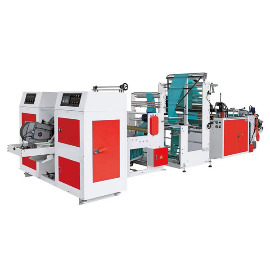
Plastic Bag Making Machine
Quality control and acceptance: The OEM buyer should have their own quality control process. They may conduct audits of the manufacturer's factory. They may also have their own FAT procedure, in addition to the manufacturer's standard FAT. The OEM buyer can insist on higher quality standards (e.g., tighter tolerances) than the manufacturer's standard. The cost of higher quality should be negotiated. The acceptance criteria are defined in the OEM agreement. The OEM buyer also has the right to inspect the machine at various stages of production. The manufacturer provides traceability documents. The OEM buyer's brand reputation is tied to the machine's quality, so they must be diligent. The OEM buyer should also ensure that the machine meets all safety and regulatory standards in the target markets (CE, UL, etc.). The manufacturer assists in obtaining certifications.
After-sales support for OEM: The OEM buyer is responsible for after-sales support to their customers. However, the manufacturer provides backup technical support and spare parts supply. The OEM buyer should have a service agreement with the manufacturer. The manufacturer may offer training for the OEM buyer's service technicians. The OEM buyer may also have a dedicated contact person at the manufacturer for quick resolution of issues. The OEM buyer should also have a mechanism to feed back customer issues to the manufacturer for continuous improvement. A successful OEM partnership is based on trust, communication, and shared goals. By managing the OEM relationship effectively, buyers can offer differentiated products, build a strong brand, and achieve higher margins, while leveraging the manufacturer's production capabilities.