Bag Making Machine Order Technical Deep Dive: Change Order Management and Scope Control
During the order fulfillment process, changes to the machine's specifications or scope may be requested by the buyer. These change orders can be due to new requirements, design improvements, or corrections. Effective change order management is essential to avoid cost overruns and schedule delays. The buyer should have a formal change order process in the purchase contract. The process includes: 1) Change request – the buyer submits a written request describing the change. 2) Impact assessment – the supplier evaluates the change's impact on cost, schedule, and technical feasibility. 3) Quotation – the supplier provides a revised quotation for the change, including any additional cost and extended delivery time. 4) Approval – the buyer approves or rejects the change order. 5) Implementation – the supplier implements the change. The change order should be documented and signed by both parties. The buyer should avoid verbal changes; all changes must be in writing to avoid disputes. The buyer should also consider the cumulative impact of multiple changes – a series of small changes can add up to significant cost and delay. The buyer should have a change control board (CCB) that reviews and approves all changes. The CCB includes representatives from engineering, procurement, and operations.
Scope control: The buyer should clearly define the scope of supply in the original contract to minimize changes. The scope should include: machine specifications, optional features, spare parts, training, installation, and warranty. The buyer should also define the acceptance criteria. The buyer should also include a "clarification" section that addresses any ambiguities. If the buyer requests a change that is not in the scope, the supplier will charge for it. The buyer should also be aware of "creep" – the tendency for the scope to expand over time. The buyer should review the scope regularly and reject changes that are not essential. The buyer should also consider the impact of changes on the project's timeline; a change that adds 2 weeks to the delivery may be acceptable if it adds significant value. The buyer should also consider the impact on the machine's reliability; a late change may not be fully validated, increasing the risk of defects.
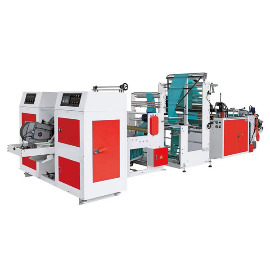
Plastic Bag Making Machine
Cost impact of changes: Changes can increase the cost of the machine. The cost increase can be due to: 1) Additional engineering time. 2) New materials or components. 3) Extended testing. 4) Changes to the production schedule (overtime). The supplier should provide a detailed breakdown of the additional cost. The buyer should evaluate if the change is cost-effective. For example, adding a feature that costs $5,000 but saves $10,000 in operating costs over the machine's life is cost-effective. The buyer should also negotiate the cost of the change – the supplier may be willing to absorb some of the cost if the buyer is a repeat customer. The buyer should also consider the impact on the machine's resale value; a highly customized machine may have a lower resale value. The buyer should also ensure that the change order does not void the warranty. The supplier should provide a revised warranty if the change affects critical components.
Timeline impact: Changes can delay the delivery. The buyer should ask the supplier for a revised delivery date. The buyer should also consider if the delay is acceptable. If the delay is significant, the buyer may need to adjust their own production schedule. The buyer should also consider if the change can be implemented after delivery (e.g., as a field upgrade). A field upgrade may be cheaper and faster. The buyer should also consider if the change is required for the machine's acceptance. If the change is a correction of a defect, it should be covered under the warranty, not a change order. The buyer should also have a contingency plan for changes – e.g., a 10% budget reserve for unexpected changes. By implementing a disciplined change order management and scope control process, buyers can maintain control over the machine's cost, schedule, and quality, ensuring that the final product meets their needs without surprises.