Bag Making Machine Payment Terms Technical Deep Dive: Milestone-Based Payment Structures and Risk Mitigation
The payment terms for a bag making machine are a critical aspect of the purchase contract, affecting cash flow, risk allocation, and supplier motivation. The most common structure is milestone-based: 30% deposit upon order, 30% upon completion of assembly (or before shipment), 30% upon delivery, and 10% upon successful Site Acceptance Test (SAT). This structure aligns the supplier's payments with their progress, giving the buyer leverage to ensure the machine meets specifications. The deposit (10-30%) covers the supplier's initial costs (engineering, procurement). The percentage depends on the machine's customization level; custom machines may require a higher deposit (40-50%). The assembly milestone (before shipment) is often tied to the Factory Acceptance Test (FAT); the buyer pays after the FAT is passed. This ensures that the machine is built correctly before shipping. The delivery payment is made when the machine arrives at the buyer's site. The final payment (10-20%) is the "holdback" – it is only paid after the machine is installed and passes the SAT. The holdback is the buyer's leverage to resolve any issues. The buyer should negotiate a higher holdback (e.g., 15-20%) to increase their protection. The holdback is released after the SAT report is signed.
Risk mitigation: The milestone structure allocates risk: the supplier bears the risk during manufacturing and shipping; the buyer bears the risk after delivery. The holdback protects the buyer against non-performance. The buyer should also include a clause for liquidated damages for late delivery: a penalty of 0.5-1% of the machine price per week of delay, capped at 10%. This incentivizes the supplier to meet the delivery date. The buyer should also consider using an escrow account or a letter of credit (L/C) for international transactions. An L/C provides security: the bank guarantees payment when the supplier presents the shipping documents. The L/C reduces the buyer's risk of non-delivery and the supplier's risk of non-payment. However, L/Cs are more expensive and require strict document compliance. The buyer should also consider the currency exchange risk: if the payment is in a foreign currency, the buyer can hedge using forward contracts. The buyer should also include a clause for price adjustment if the exchange rate fluctuates by more than a certain percentage.
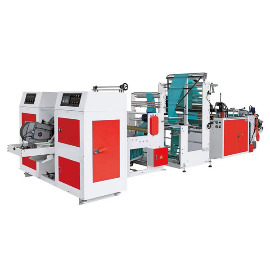
Plastic Bag Making Machine
Negotiation strategies: The buyer should negotiate the payment terms to improve their cash flow. For example, the buyer can ask for a lower deposit (20%) and a higher final payment (15%). The buyer can also ask for extended payment terms: e.g., 30% deposit, 20% after FAT, 30% on delivery, 10% after 30 days of operation, 10% after 60 days. This spreads the payments over a longer period. The buyer should also negotiate for a discount for early payment (e.g., 2% discount if paid within 10 days). The buyer should also consider the supplier's perspective: they need cash flow to fund production. A fair payment schedule is one that balances both parties' needs. The buyer should also consider the supplier's financial health; if the supplier is financially weak, they may require higher upfront payments. The buyer can request financial statements to assess the supplier's stability. The buyer should also include a clause for payment suspension if the machine does not meet the acceptance criteria.
Financing options: If the buyer does not have the full capital, they can finance the purchase through a bank loan or a lease. The bank loan requires a down payment (10-30%) and monthly installments. The lease allows the buyer to use the machine for a monthly fee, with an option to buy at the end. The lease payments are tax-deductible as operating expenses. The buyer should compare the total cost of financing (interest, fees) with the cost of paying cash. The buyer should also consider the machine's useful life: a longer life favors a loan, a shorter life favors a lease. The buyer should also consider the supplier's financing offers; some suppliers offer competitive rates. The buyer should also consider the impact of payment terms on the project's internal rate of return (IRR). By carefully structuring payment terms, buyers can optimize their cash flow, mitigate risks, and ensure a successful transaction.