Bag Making Machine Shipping Technical Deep Dive: Crating Design and Shock Protection
Crating is the primary protection for a bag making machine during shipping. The crate must be engineered to withstand the shocks and vibrations of sea freight, truck transport, and handling. The typical crate is a wooden frame with plywood skin, reinforced with steel brackets. The machine is bolted to a heavy steel base (skid) that is secured to the crate's floor. The bolts are sized for the machine's weight and the expected shock loads (typically 2-3 g). The machine is also braced with wooden wedges and steel straps to prevent lateral movement. The crate's design should include: 1) A moisture barrier – a plastic sheet (0.2 mm) placed inside the crate to protect from humidity. Desiccant bags (silica gel) are placed inside to absorb moisture; a humidity indicator card shows if the crate has been exposed to excessive moisture. 2) Vibration isolation – the machine is mounted on rubber pads or spring isolators to reduce vibration transmission from the shipping container. The isolators are selected based on the machine's weight and the expected vibration frequency. 3) Shock protection – the crate is designed with a crush zone (a void) at the corners to absorb impacts. The crate is also labeled with "Fragile," "This Side Up," and "Handle with Care." The crate's structural integrity is analyzed using FEA to ensure it can withstand stacking (up to 4 tons) and handling. The crate is tested by dropping it from a specified height (e.g., 1 meter) during the packaging validation.
Shipping container loading: The crate is loaded into the shipping container using a forklift or a crane. The container's floor load capacity must be checked; if the machine's footprint is small, the load may exceed the limit, requiring a spreader plate. The crate is secured inside the container using wooden braces and steel straps. The braces are placed at the container's corners to prevent movement. The container's doors are sealed to prevent moisture ingress. For multiple machines, they are arranged to optimize space; the crates may be stacked if they are designed for stacking. The container's tare weight and the machine's weight determine the total shipping weight. The buyer should ensure that the container's weight does not exceed the road or rail weight limits. The shipping documents (bill of lading, packing list) are placed in a waterproof pouch on the crate. The container is sealed with a tamper-evident seal.
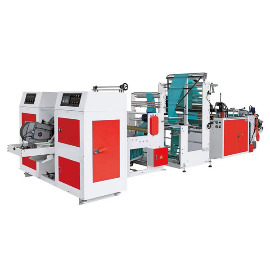
Plastic Bag Making Machine
Transportation modes: Sea freight is the most common for international shipments. The container is shipped on a cargo vessel; the voyage takes 20-50 days depending on the route. The container is exposed to saltwater spray and temperature variations; the crate's moisture barrier must be effective. Air freight is faster (5-10 days) but significantly more expensive; it is used for urgent shipments. The crate's weight is a major factor for air freight; the buyer may opt for a lighter crate (e.g., aluminum frame). Land transport (truck, rail) is used for domestic shipments; the crate must be secured to the truck bed to prevent movement. The buyer should choose a freight forwarder with experience in heavy machinery shipping. The forwarder will handle the logistics, including customs clearance. The buyer should also consider the route: avoid routes with rough terrain or poor road conditions. The buyer should also consider the climate: if shipping to a humid region, the crate's moisture protection is critical.
Insurance: The buyer should purchase marine cargo insurance to cover damage or loss during transit. The insurance policy should cover "all risks" including accidental damage, theft, and natural disasters. The insurance premium is typically 0.3-0.8% of the machine's value. The insurance claim process: if the machine is damaged, the buyer must notify the insurer immediately, document the damage with photos, and file a claim. The insurance claim can take 30-60 days to settle. The buyer should also check if the supplier's packing is covered by the insurance; if the packing is deemed inadequate, the claim may be denied. The buyer should have a pre-shipment inspection to document the machine's condition before shipment. By designing a robust crate and choosing the right shipping mode, buyers can ensure that the bag making machine arrives safely and in good condition, avoiding costly damage and delays.