Bag Making Machine Shipping Technical Deep Dive: Customs Clearance and Import Compliance
Customs clearance is a critical step in the international shipping of a bag making machine, as errors can cause delays and additional costs. The machine must be correctly classified under the Harmonized System (HS) code. The HS code for bag making machines is typically 8477.80 (Machinery for molding, forming, and processing rubber and plastics). However, specific variations may apply depending on the machine's features (e.g., printing, punching). The correct HS code determines the import duty rate and any regulatory requirements. The buyer should verify the HS code with their customs broker and the supplier. The buyer should also check if the machine qualifies for any duty exemptions (e.g., under a trade agreement). If the machine is for a specific industry (e.g., food packaging), additional regulations may apply (e.g., FDA clearance). The buyer should also check for any anti-dumping duties that may apply to machinery from certain countries. The buyer should prepare the required documents: commercial invoice (with value breakdown), packing list, bill of lading, certificate of origin, and any import permits. The commercial invoice should clearly state the machine's value, model, and serial number. The packing list should detail the crate's dimensions and weight. The certificate of origin is issued by the supplier's chamber of commerce.
Duty calculation: The import duty is calculated as a percentage of the machine's Customs Value. The Customs Value is the transaction value (price paid for the machine) plus any additional costs (shipping, insurance) if not included. The duty rate is determined by the HS code and the country of origin. For example, the duty rate for bag making machines in the EU is typically 0-3%, while in some countries it may be 5-15%. The buyer should calculate the estimated duty and include it in the budget. The buyer may be able to claim a duty drawback or use a customs bond to defer payment. The buyer should also consider VAT (Value Added Tax) or GST (Goods and Services Tax), which is usually payable on the value of the machine plus duty. The VAT/GST rate varies by country (e.g., 20% in the UK, 10% in Australia). The buyer should also consider the cost of customs clearance (broker fees, port handling fees). The customs clearance process typically takes 1-5 days, but can be longer if there are issues. The buyer should have a contingency plan for customs delays.
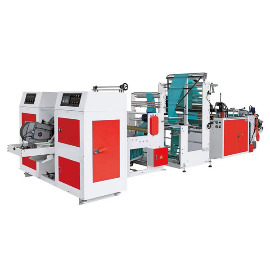
Plastic Bag Making Machine
Customs broker selection: A licensed customs broker is essential for smooth clearance. The broker handles the paperwork, pays the duties, and coordinates with the customs authority. The buyer should choose a broker with experience in importing machinery. The broker should have a good relationship with the local customs office. The buyer should provide the broker with all necessary documents in advance. The broker will advise on any additional requirements (e.g., inspections, licenses). The broker's fees are typically a fixed fee plus a percentage of the duty. The buyer should also consider using the forwarder's customs service, but they may not be as specialized. The buyer should also ensure that the broker is bonded (to cover any errors). The buyer should also check the broker's reputation and references.
Post-clearance: After customs clearance, the machine is released for delivery. The buyer should inspect the machine for any damage during transport. The buyer should also keep all customs documents for the audit trail. The buyer should also ensure that the machine's safety certification (CE, UL) is accepted by the local authorities. If the machine requires installation and commissioning, the customs clearance should be completed before the installation team arrives. The buyer should also consider the import of spare parts; they may have different HS codes and duty rates. The buyer should set up a process for tracking customs transactions. By understanding customs clearance and import compliance, buyers can avoid delays and unexpected costs, ensuring a smooth delivery of their bag making machine.