Bag Making Machine Training Technical Deep Dive: Maintenance Training and Diagnostic Skills Development
Maintenance training is critical for ensuring the long-term reliability and performance of a bag making machine. The training should equip the maintenance team with the skills to diagnose and repair issues quickly, minimizing downtime. The curriculum for maintenance training includes: 1) Mechanical systems – bearings, belts, chains, gearboxes, and linear guides. 2) Electrical systems – PLC, sensors, servo drives, and control circuits. 3) Pneumatic systems – cylinders, valves, regulators, and filters. 4) Hydraulic systems (if applicable) – pumps, cylinders, and valves. 5) Software diagnostics – using the HMI and PLC software to monitor and troubleshoot. 6) Calibration – temperature sensors, pressure transducers, load cells, and edge guides. 7) Predictive maintenance techniques – vibration analysis, oil analysis, and thermal imaging. The training should be a mix of classroom instruction and hands-on practice. The hands-on practice includes disassembling and reassembling components, using diagnostic tools (multimeter, oscilloscope, vibration analyzer), and performing calibration. The training is typically conducted by the supplier's senior service engineer or a specialized trainer. The duration is 3-7 days, depending on the machine's complexity.
Diagnostic skills development: The maintenance team should be trained to use a systematic diagnostic approach. The approach includes: 1) Observe the symptoms – what is the problem (e.g., weak seals, mis-cuts, jams)? 2) Check the machine's data – temperature, pressure, speed, and error logs. 3) Isolate the possible causes – mechanical, electrical, or software. 4) Test the hypotheses – change a parameter, test a component. 5) Confirm the fix – run the machine and verify. The team should be familiar with the machine's error code list and the corresponding troubleshooting steps. The training should include hands-on exercises with simulated faults. The team should also be trained on root cause analysis (RCA) – identifying the underlying cause of a recurring issue to prevent it from happening again. The RCA involves analyzing the data, inspecting the components, and interviewing the operators. The team should also be trained on the use of diagnostic tools: a multimeter for electrical checks, a pressure gauge for pneumatic checks, a thermal camera for hot spots, and a vibration analyzer for bearing condition. The training should also cover the use of the machine's diagnostic software, which can display trend data and perform self-tests.
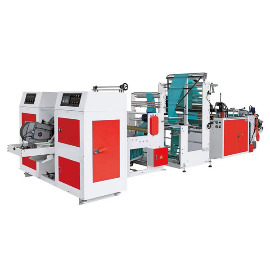
Plastic Bag Making Machine
Predictive maintenance techniques: The training should cover predictive maintenance methods to anticipate failures before they occur. The methods include: 1) Vibration analysis – monitoring bearing and gear vibrations to detect wear. 2) Oil analysis – checking for particles, water, and acidity in the oil. 3) Thermal imaging – detecting hot spots in electrical panels and sealing bars. 4) Current monitoring – tracking motor current to detect increased load. 5) Trend analysis – monitoring temperature, pressure, and speed trends over time. The team should be trained on how to collect the data, interpret the results, and take corrective action. The training should also cover the machine's built-in predictive maintenance features (if any). The team should also be trained on how to use the machine's maintenance log to schedule preventive maintenance. The log includes the machine's operating hours, component life counters, and maintenance history. The team should also be trained on safety procedures during maintenance (lockout/tagout).
Documentation and knowledge management: The maintenance team should maintain a knowledge base of common issues, solutions, and best practices. The knowledge base is updated with new learnings. The team should also have access to the machine's documentation (manuals, schematics). The buyer should also consider a mentorship program where senior technicians train junior staff. The training should be regularly refreshed, especially after machine upgrades or major repairs. By investing in maintenance training, buyers can reduce their reliance on external service providers, minimize downtime, and extend the machine's service life, resulting in significant cost savings over the long term.