Bag Making Machine Training Technical Deep Dive: Operator Skills Development and Competency Assessment
Comprehensive operator training is essential for maximizing the productivity and quality of a bag making machine. The training program should cover both theoretical knowledge and practical skills. The curriculum typically includes: 1) Machine overview – components, functions, and safety features. 2) Operation – startup, shutdown, and emergency procedures. 3) HMI navigation – setting parameters, loading recipes, and monitoring production data. 4) Film handling – loading rolls, splicing, and tension adjustment. 5) Quality control – checking bag dimensions, seal strength, and registration. 6) Troubleshooting – common issues and corrective actions. 7) Maintenance – daily cleaning, lubrication, and minor adjustments. The training should be structured with a mix of classroom sessions (presentations, videos) and hands-on practice on the actual machine. The hands-on practice is critical; operators should run the machine under supervision until they can independently produce quality bags. The training duration is typically 2-5 days, depending on the machine's complexity. The supplier's technician conducts the training, but the buyer should also have an in-house trainer to reinforce the learning.
Skill matrix and competency assessment: A skill matrix is used to assess the operators' proficiency. The matrix lists all the required skills (e.g., changing film rolls, adjusting sealing temperature, troubleshooting seal defects). Each skill is rated on a scale: 1 (unable), 2 (able with assistance), 3 (able independently), 4 (able to teach others). The operators are assessed before and after the training. The assessment is done through written tests, practical demonstrations, and observation. The operators must achieve a minimum rating of 3 for all critical skills to be certified. The certification is valid for a period (e.g., 1 year); refresher training is required to maintain certification. The skill matrix is also used for cross-training: operators can be trained on multiple machines to increase flexibility. The skill matrix is stored in the training management system. The buyer should also have a training record for each operator, documenting their training history and certification status. The training records are essential for compliance (e.g., food safety audits) and for identifying skill gaps.
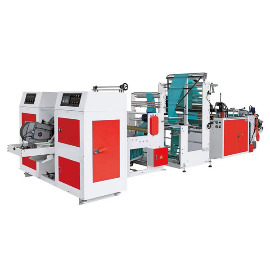
Plastic Bag Making Machine
Advanced training: For maintenance staff, advanced training covers: 1) Mechanical systems – bearings, belts, chains, and gearboxes. 2) Electrical systems – PLC, sensors, and servo drives. 3) Pneumatic and hydraulic systems. 4) Calibration procedures. 5) Predictive maintenance techniques. The advanced training is typically conducted by the supplier's senior technician or a specialized trainer. The training may include disassembling and reassembling components, using diagnostic tools, and reading schematics. The advanced training is more in-depth and may take 3-5 days. The maintenance staff should also be trained on the machine's software for troubleshooting and parameter adjustment. The buyer should also consider training a "master operator" who can train other operators and serve as a resource for troubleshooting. The master operator should have a rating of 4 on the skill matrix.
Training materials and resources: The supplier should provide comprehensive training materials: operation manual, maintenance manual, electrical schematics, and a troubleshooting guide. The materials should be in the operators' native language. The buyer should also have a library of training videos and quick-reference cards. The training should also cover safety: lockout/tagout procedures, emergency stop operation, and PPE requirements. The buyer should also have a designated training area with a spare machine or a simulator if possible. The training should be regularly updated to reflect machine upgrades or new processes. By implementing a structured training program with competency assessment, buyers can ensure that their operators are skilled, confident, and capable of running the bag making machine efficiently, reducing errors and downtime.