Used Bag Making Machine Technical Deep Dive: Wear Assessment and Refurbishment Planning
Purchasing a used bag making machine can be a smart investment if the machine's condition is properly assessed and a refurbishment plan is developed. The first step is a thorough wear assessment. The machine's moving parts have finite lives; the most critical are the sealing bars, cutters, bearings, rollers, and heaters. The sealing bar's flatness is measured with a straight edge and feeler gauge; if the deviation exceeds 0.05 mm, the bar needs resurfacing. The bar's PTFE coating is inspected for wear; if thin or damaged, recoating is needed. The cutters (guillotine or rotary) are checked for sharpness; dull blades require sharpening or replacement. The bearings are checked for play and noise; a dial indicator measures radial play; if it exceeds 0.02 mm, replacement is recommended. The rollers are inspected for surface scratches or glazing; if glazed, they need resurfacing or replacement. The heaters and thermocouples are tested for resistance and insulation; if out of spec, replacement is needed. The machine's frame is checked for cracks or rust; any structural damage may be a deal-breaker. The control system (PLC, HMI, servos) is tested for functionality; outdated controls may need upgrading.
Cost-benefit analysis of refurbishment: The cost of refurbishing a used machine (parts and labor) should be compared to the price of a new machine. Typical refurbishment costs are 15-30% of the machine's price for standard wear items, and 40-60% if major components (servos, PLC) need replacement. For example, a used machine costing $30,000 might need $10,000 in refurbishment; total $40,000, which is still less than a new $80,000 machine. However, the refurbished machine may have a shorter life and less reliability. The payback period should be calculated. If the machine will be used for a low-volume or backup line, refurbishment is often justified. If it's for a primary production line, a new machine may be safer. The refurbishment plan should prioritize critical components: sealing bars, heaters, blades, and bearings. The control system can be upgraded to servo if it was originally a clutch-brake, but this is expensive.
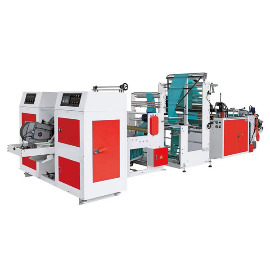
Plastic Bag Making Machine
Refurbishment procedure: The machine is disassembled, and all components are cleaned and inspected. The sealing bars are ground and recoated. The heaters and thermocouples are replaced. The cutters are sharpened or replaced. The bearings are replaced. The rollers are reground or replaced. The pneumatic/hydraulic seals are replaced. The electrical wiring is checked and replaced if brittle. The control system is cleaned and tested; if upgrading, a new PLC and HMI are installed. After reassembly, the machine is aligned and calibrated. The refurbishment is documented with a list of replaced parts and test results. The machine is then run with film to verify quality.
Sourcing refurbishment parts: Used machine parts can sometimes be sourced from the manufacturer, but often they are generic (heaters, bearings) and can be bought from industrial suppliers. For custom parts (sealing bars), they may need to be machined new. It is advisable to work with a refurbishment specialist who has experience with the machine brand. The specialist can provide a fixed-price quote for the refurbishment. The buyer should negotiate the price of the used machine with the expectation of refurbishment costs; the seller may reduce the price if they know the machine needs work.
Warranty on refurbished machines: Some dealers offer a limited warranty (30-90 days) on refurbished machines. The buyer should clarify what is covered and what is not. The warranty usually covers parts replaced during refurbishment. The buyer should also ask for a test run before purchase. By carefully assessing wear and planning refurbishment, buyers can acquire a
used bag making machine that provides good value and reliable service for many years, with a significantly lower upfront investment than a new machine.