bag machine
A bag machine, also referred to as a bag making machine or bag converting machine, is a specialized piece of packaging equipment designed to transform flat or tubular plastic film rolls into finished bags through a combination of heat sealing, cutting, and stacking processes. Bag machines are integral to the packaging supply chain, providing the means to produce everything from simple flat bags for produce to complex reclosable zipper bags for snacks and consumer goods. These machines vary in size, complexity, and output capacity, ranging from small benchtop units for low-volume production to massive industrial lines that run continuously at high speeds. The fundamental purpose of a bag machine is to automate the manual process of folding and sealing film, ensuring uniform bag dimensions, secure seals, and efficient material utilization.
The working cycle of a bag machine is driven by a synchronized sequence of mechanical actions controlled by an electronic controller. The process begins with the unwind section, where the film roll is mounted on a shaft with a braking system that maintains consistent tension as the film is drawn forward. The film passes over guide rollers and enters the sealing zone, where two heated bars clamp down on the film to create a strong molecular bond at the bottom or side. For printed bags, a registration mark sensor ensures that the seal and cut occur exactly at the correct position relative to the design. The sealed film then moves to the cutting station, where a rotary knife or guillotine blade cuts the film to the desired length. Finally, the cut bags are transported by conveyor belts to a stacking table or collection box, where they are counted and organized for manual or automatic packing.
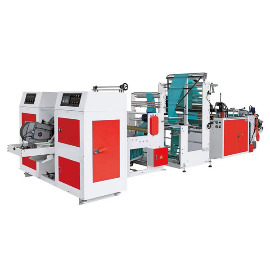
Plastic Bag Making Machine
Key operational parameters of a bag machine that directly affect product quality and production efficiency include sealing temperature, sealing pressure, dwell time, and cutting speed. Sealing temperature must be precisely set according to the film type and thickness; for example, LDPE typically seals at 120-160°C, while HDPE requires 160-200°C, and biodegradable films like PLA seal at lower temperatures around 100-140°C. Sealing pressure, applied by pneumatic or spring-loaded cylinders, should be sufficient to compress the film layers firmly without crushing or distorting them. Dwell time, the duration the sealing bars remain in contact with the film, is inversely proportional to machine speed – higher speeds require shorter dwell times, which may necessitate higher temperatures to achieve adequate seal strength. Cutting speed is determined by the blade type and the machine's mechanical capabilities, with rotary cutters allowing faster speeds than guillotine cutters. Adjusting these parameters correctly is crucial to avoid common defects such as incomplete seals, film wrinkling, or inaccurate bag lengths.
Bag machines are classified into several standard models based on the final bag configuration. The flat
bag machine is the most basic, producing simple open-top bags with a single bottom seal, ideal for packaging bread, produce, and hardware items. The side-gusseted bag machine incorporates folding boards that create side folds, allowing the bag to expand into a rectangular shape when filled, commonly used for coffee, pet food, and bulk dry goods. The T-shirt bag machine adds a punching station that cuts out handle holes and a notch on the top edge, creating the familiar shopping bag with handles. The vest bag machine is a variation that produces bags with die-cut handles and a gusseted bottom, offering superior load-bearing capacity and a square bottom that stands upright. The stand-up pouch bag machine is a more advanced type that produces three-side sealed pouches with a bottom gusset, enabling the bag to stand on its own, widely used for liquids, sauces, and premium snacks. Each type requires specific mechanical modules and tooling, making the selection of the right bag machine critical for matching production needs.
The practical applications of bag machines are ubiquitous across consumer and industrial sectors. In the retail sector, bag machines produce billions of shopping bags annually, with T-shirt and vest bags being the primary formats for supermarket checkout counters and boutique stores. The food processing industry utilizes bag machines for packaging frozen vegetables, bakery items, confectionery, and deli meats, requiring food-safe sealants and precise temperature control to maintain product freshness and shelf life. Medical and laboratory settings employ bag machines to produce sterile specimen bags, IV solution pouches, and biohazard disposal bags, with machines built from corrosion-resistant materials and validated for cleanroom operation. Industrial applications include heavy-duty bags for construction waste, chemical powders, and agricultural products like fertilizer and seed, where seal strength and puncture resistance are paramount. E-commerce fulfillment centers also use bag machines to produce poly mailer bags for shipping clothing and small goods, often in-line with printing systems for addressing and branding.
For prospective buyers, selecting a bag machine requires a thorough evaluation of production requirements and financial considerations. Begin by calculating the average daily output in terms of number of bags and shift hours, then select a machine with a rated speed that exceeds this target by at least 20% to accommodate peak demand and maintenance downtime. Examine the film compatibility carefully – if you plan to use recycled or biodegradable films, verify that the machine's sealing system can handle the lower melting points and higher melt flow rates without blockages. Consider the available operator skill level; fully automatic machines with touchscreen interfaces and automated fault diagnostics reduce the need for highly trained personnel. Evaluate the machine's footprint and power requirements against your facility's limitations. Lastly, compare the total cost of ownership, including initial purchase price, installation costs, energy consumption, spare parts pricing, and service contract fees, rather than focusing solely on the upfront capital expenditure.
Effective operation of a bag machine depends on regular maintenance and careful monitoring of key performance indicators. Operators should be trained to recognize signs of seal degradation, such as whitening or brittleness at the seal area, which indicate excessive temperature or pressure. Daily cleaning of the sealing bars with a non-abrasive cloth and approved cleaning solution prevents carbon buildup that can cause seal inconsistency. Weekly checks of the air pressure system and filter elements ensure proper pneumatic actuation of sealing bars and cutting blades. Monthly alignment of the film guide rollers and tension sensors prevents film wandering and wrinkling, which are common causes of scrap. Maintaining a log of operating parameters and defect rates allows for early detection of drift in performance, enabling corrective adjustments before producing out-of-specification bags. By adhering to these practices, bag machine owners can achieve high uptime, consistent bag quality, and extended equipment lifespan, maximizing the return on their investment.