bag making machine OEM
OEM (Original Equipment Manufacturer) in the bag making machine industry refers to a manufacturer that produces machines according to the specifications and branding of another company – typically a distributor, integrator, or packaging company that wants to sell the machines under its own brand name. OEM relationships allow buyers to customize machine design, color scheme, control panel layout, and even software interface to differentiate their offering. They also enable distributors to offer competitive pricing by leveraging the manufacturer's production scale. This guide explains the OEM process, the benefits and challenges, what to consider in an OEM agreement, and how to ensure quality and consistency when branding a machine as your own.
OEM process overview: The process starts with the buyer (OEM customer) defining their technical requirements – machine type, speed, dimensions, features, and any unique modifications. The manufacturer then designs or adapts an existing model to meet those specifications, including custom paint colors, logo placement, and branded user interface. After design approval, the manufacturer builds prototypes (if needed) and runs tests. Once the prototype is validated, the manufacturer proceeds to full production. The finished machines bear the buyer's brand name and model number, and the buyer sells them to end-users with their own warranty and support. The manufacturer provides the buyer with technical documentation, training materials, and spare parts lists, but the buyer handles sales, marketing, and direct customer support.
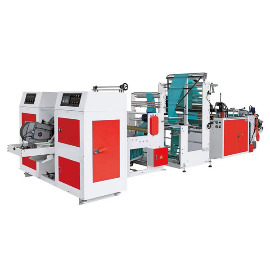
Plastic Bag Making Machine
Benefits of OEM: For the buyer, OEM allows entry into the bag machine market without investing in R&D, factory, and tooling. It leverages the manufacturer's expertise and economies of scale, reducing cost. The buyer can focus on sales, marketing, and customer relationship management. For the manufacturer, OEM provides consistent volume orders, reduces marketing costs, and builds long-term partnerships. End-users benefit from a machine that is tailored to their regional preferences (e.g., specific safety standards, language) and backed by a local distributor's support. OEM also allows for rapid customization, such as adding special punching patterns or integrating with existing line control systems.
Key considerations in an OEM agreement: Define intellectual property rights – who owns the custom designs and software modifications? Typically, the buyer owns the branding and any unique feature designs, while the manufacturer retains the underlying technology. Specify minimum order quantities (MOQ) – usually higher for OEM because of setup costs. Agree on lead times and quality standards – include acceptance criteria in the contract. Discuss exclusivity – will the manufacturer sell the same customized machine to other buyers? Exclusive rights may command a higher price. Warranty and liability – the manufacturer typically provides a warranty on the machine's base components, while the buyer handles warranty claims and service for end-users. Determine who will stock spare parts – often the buyer, with the manufacturer supplying parts on demand. Also, negotiate pricing – OEM pricing is usually lower than standard pricing because the manufacturer has guaranteed volume, but the buyer must cover their own marketing and support costs.
Quality control for OEM: Since the buyer's brand reputation is on the line, rigorous quality control is essential. The buyer should conduct factory audits and require the manufacturer to follow a clear quality management system (e.g., ISO 9001). Request comprehensive test reports for each machine. If possible, the buyer should perform their own incoming inspection upon receipt. Consider a third-party inspection service for critical batches. Also, ensure that the manufacturer provides training for the buyer's service team, so they can independently troubleshoot and repair the machines. A well-documented OEM partnership with clear responsibilities and quality benchmarks can lead to a successful, long-lasting business relationship.
OEM vs. standard purchase: For distributors who want to differentiate themselves in a competitive market, OEM is a strategic advantage. It allows them to offer unique features that competitors cannot easily replicate. However, it requires higher initial commitment (MOQ, investment in branding), and the buyer bears the risk of stocking inventory and providing after-sales support. For end-users who are not interested in reselling, a standard purchase from a manufacturer is simpler. But for companies with a strong brand and sales network, OEM bag making machine manufacturing can be a profitable venture, combining the manufacturer's technical expertise with the buyer's market knowledge and customer base.