bag making machine after-sales service
After-sales service is a critical factor in the long-term success of a bag making machine investment. Even the best machines require periodic maintenance, occasional repairs, and technical support to maintain optimal performance. Reliable after-sales service ensures minimal downtime, consistent bag quality, and extended equipment lifespan. This guide covers the various types of after-sales support available – from basic phone support to comprehensive service contracts – and provides practical advice on selecting and managing a service plan that matches your production needs and budget. It also discusses the importance of spare parts availability, remote diagnostics, and local service network coverage.
Types of after-sales service: Most suppliers offer a standard warranty period (typically 12 months) covering parts and labor for manufacturing defects. Beyond warranty, they provide paid services: on-site technical visits, remote troubleshooting via internet connection, and spare parts sales. Many suppliers offer service contracts that include annual preventive maintenance visits, priority phone support, and discounted parts. Some also offer training refresher courses for your operators. The level of service varies greatly between suppliers – European and Taiwanese manufacturers often have extensive global service networks, while some Chinese suppliers may rely on local agents or only provide remote support. Before purchasing, clarify exactly what is included in the after-sales package and what costs extra.
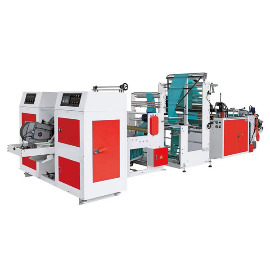
Plastic Bag Making Machine
Remote diagnostics and monitoring: Modern bag making machines with PLC and IoT capabilities allow the supplier to connect to the machine via internet to diagnose issues, monitor performance, and even update software remotely. This reduces the need for costly on-site visits and speeds up problem resolution. Ensure the machine has this capability and that your plant network allows the connection. However, remote support cannot solve mechanical issues – for those, a technician must visit. So, factor in the travel time and cost for your region. Some suppliers have regional service centers or partner agents who can respond faster than sending a technician from overseas.
Spare parts availability: The availability of genuine spare parts is crucial for minimizing downtime. Before buying, ask the supplier for a recommended spare parts list and their typical delivery times. Parts like sealing bar coverings, heating elements, thermocouples, and blades are consumables that need frequent replacement. For critical parts like servo motors, drives, and PLCs, ensure they can be shipped within days. Some suppliers offer a "starter kit" of essential spares at a discount when you purchase the machine. Establish a stocking level based on your machine's runtime and the supplier's lead time. Also, check if the supplier has a local warehouse or distributor in your country to expedite delivery.
Selecting a service plan: For high-volume production with 24/7 operation, a comprehensive service contract with regular preventive maintenance and guaranteed response time is advisable. For smaller operations, a pay-per-visit arrangement may be more cost-effective. Evaluate the cost of downtime – if a breakdown costs you $500/hour in lost production, investing in a premium service plan is justified. Negotiate the service terms during the machine purchase – suppliers are often willing to offer a discount on the first year's service contract. Also, consider training your in-house maintenance team to handle routine repairs and adjustments, reducing reliance on external support. Finally, check the supplier's reputation for after-sales – ask existing customers about their experiences. A supplier with excellent after-sales service adds significant value to your investment, ensuring your bag making machine operates reliably for many years.