bag making machine for food packaging
A bag making machine for food packaging is a specialized production system designed to manufacture bags that come into direct contact with food products, requiring strict adherence to hygiene, safety, and regulatory standards. These machines are used to produce bags for fresh produce, meat, poultry, seafood, frozen foods, bakery items, snacks, and dry goods. Unlike general bag makers, food packaging machines incorporate food-grade construction materials (stainless steel, FDA-approved plastics), easy-clean designs, and precise temperature control to prevent film degradation that could taint food. They must also support high seal integrity to maintain product freshness and prevent contamination. These machines are often validated under HACCP and GMP guidelines, and they operate in controlled environments to minimize microbial risks. Speeds range from 100 to 250 bags per minute depending on bag complexity, with hygienic design not compromising productivity.
The operational features of a bag making machine for food packaging prioritize cleanliness and process control. The machine's frame and all contact surfaces are typically made of 304 or 316 stainless steel, with smooth, crevice-free finishes to prevent bacterial growth. The film path is designed to be accessible for cleaning, with quick-release guide rollers and sealed bearings that resist moisture ingress. The sealing system uses precise PID controllers with alarm functions to alert operators if temperatures drift outside a safe range. Many machines include an air knife or ionizing bars to remove dust and static from the film before sealing. For printed films, registration sensors are enclosed to prevent food particles from affecting their accuracy. The stacking section often uses hygienic conveyor belts that are easy to sanitize. Some machines are equipped with UV sterilization lamps on the film path for extra microbial control. The control system logs all production parameters, enabling traceability for quality audits.
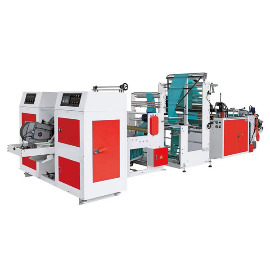
Plastic Bag Making Machine
Key technical specifications for food packaging bag making machines include bag width (100-800 mm), bag length (150-1200 mm), film thickness (20-150 microns, with some handling up to 200 for frozen foods), production speed (100-250 BPM). Sealing temperature ranges from 100-220°C, with accuracy of ±1°C. The machine must be compatible with food-grade films: LDPE, LLDPE, HDPE, cast PP, OPP, and multi-layer co-extrusions with barrier layers. FDA and EFSA compliance requires that all materials and lubricants used in the machine are food-safe. The electrical components are IP65 or higher rated to withstand washdown cleaning. Power consumption is typically 15-35 kW. Optional features include a hot foil date coder for printing expiration dates, a leak tester for seal validation, and an anti-bacterial coating on contact surfaces. The stacking unit must handle bags gently to avoid creasing that could compromise seal edges.
Applications of bag making machines for food packaging cover the entire food supply chain. Fresh produce bags (for apples, potatoes, onions) require breathable films and strong seals to prevent moisture loss. Bakery bags for bread and pastries need a balance of stiffness and sealability. Frozen food bags demand toughness and excellent seal strength at low temperatures, often using LLDPE blends. Meat and poultry bags require high barrier properties and are often made from co-extruded films with EVOH. Snack food bags (chips, crackers) are typically printed with vibrant graphics and use three-side seals with a bottom gusset. The growing demand for convenient, resealable packaging has led to food bag machines incorporating zipper applicators for stand-up pouches used for nuts and dried fruits. With the rise of online grocery delivery, food packaging machines now produce bags that are durable enough for transport while maintaining food safety.
Selecting a
bag making machine for food packaging requires evaluating regulatory compliance, cleaning protocols, and material compatibility. Verify that the machine manufacturer provides documentation of food-grade material certifications (e.g., FDA 21 CFR, EU Regulation 1935/2004). Ensure the machine's design allows for complete cleaning, including disassembly of contact parts without tools. Choose a machine with a programmable wash-down cycle if your facility uses high-pressure water cleaning. For seal integrity, look for machines with automatic temperature compensation that adjusts for film variations, as food-grade films often have tighter specs. If you produce bags for refrigerated or frozen products, check the machine's ability to seal films at lower ambient temperatures – some machines include heated guide rollers to keep film pliable. Also, consider the need for in-line metal detection or X-ray inspection if required by food safety standards. Training operators on hygienic procedures is as important as the machine itself, so select a supplier that provides comprehensive training on sanitation and maintenance.
Maintenance of a bag making machine for food packaging must be performed with food safety in mind. Use only food-grade lubricants on all moving parts that could contact the film. Cleaning should be done with approved food-safe detergents and sanitizers, and all cleaning chemicals must be rinsed thoroughly to prevent contamination. Daily cleaning should include all film contact surfaces, sealing bars, and guide rollers. Weekly, disassemble and clean the sealing bar holders and any crevices where food residue could accumulate. Monthly, inspect and replace any worn seals or gaskets that could harbor bacteria. Calibrate temperature sensors with a certified reference thermometer, and document the results. For machines with leak testers, validate the tester's sensitivity using calibrated test films. Keep a maintenance log that records all cleaning and calibration activities, as this is often required for third-party audits (BRC, IFS). By maintaining rigorous hygiene and documentation, the bag making machine for food packaging can ensure that every bag meets the highest safety standards, protecting both the food product and the consumer's health.