bag making machine for sale
The market for bag making machines for sale offers a wide range of options, from brand-new fully automatic lines to cost-effective used equipment. Buyers can source machines directly from manufacturers, through distributors, or via online marketplaces. New machines come with full warranties, latest technology, and customization options, but at a premium price. Used machines are more affordable but require careful inspection to avoid hidden defects. This guide provides a comprehensive roadmap for purchasing a bag making machine – from defining requirements and supplier research to inspection, negotiation, and final acceptance. It covers both domestic and international sourcing, with practical tips to secure the best deal while mitigating risks.
Defining requirements: Before searching for a
bag making machine for sale, clearly document your production needs: bag type (flat, T-shirt, vest, zipper, stand-up), dimensions, film thickness, target speed (BPM), printing requirements (colors, resolution), and automation level. Also, consider floor space, power supply, and compressed air availability. This specification sheet will be your guide when comparing different offers. It will also help suppliers provide accurate quotes. For used machines, also define acceptable age and condition – e.g., less than 5 years old, with maintenance records.
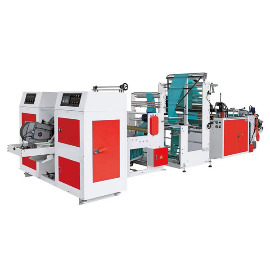
Plastic Bag Making Machine
Where to find machines for sale: Direct manufacturers – for new machines, contact manufacturers in China, Taiwan, India, Europe, and Japan. Trade shows like Interpack, K Show, and Chinaplas are excellent venues to see machines in operation and meet suppliers. Online B2B platforms (Alibaba, Made-in-China, Global Sources) list thousands of machines; however, due diligence is essential. Specialized used machinery dealers (e.g., MachineryZone, Exapro, and regional dealers) offer inspected used machines with warranties. Auctions and liquidations can yield bargains but carry higher risks. Also, check with local packaging associations for member referrals. When contacting suppliers, request a detailed quote including specifications, optional extras, delivery terms, payment terms, and warranty.
Inspection checklist for new machines: Verify the build quality – heavy-duty steel frame, precise machining on sealing bars, quality servo motors and drives. Request a factory acceptance test (FAT) where you witness the machine running your film at claimed speed and quality. Check the control system – user-friendly HMI, recipe storage, diagnostic features. Review the documentation – operation manual, maintenance schedule, electrical schematics, spare parts list. Ensure CE or UL certification if required. For used machines, inspection is even more critical. Physically inspect the machine if possible; run production samples. Check for wear on sealing bars (pitting), blade edges, bearings (noise), and heaters. Review maintenance logs. Ask why the machine is being sold – upgrade, closure, or defect? If possible, bring an independent technician.
Negotiation and pricing: For new machines, the quoted price is often negotiable, especially for multiple units or during off-peak seasons. Discounts of 5-15% are common. Ask about bundled services – free training, extended warranty, or spare parts kit. For used machines, offer 60-80% of the asking price as a starting point, depending on age and condition. Always factor in shipping, installation, and any needed repairs. Payment terms: For new machines, typical is 30% deposit, 60% before shipment, and 10% after installation and acceptance. For used, some dealers offer 50/50. Use a letter of credit for international transactions to protect both parties. Ensure the contract includes a clear acceptance test procedure and a remedy clause if the machine fails to meet specifications.
Warranty and after-sales: New machines usually come with a 12-month warranty covering parts and labor (excluding consumables). Check what is included – some warranties exclude on-site travel costs. Extended warranties are often available for purchase. For used machines, dealers may offer a 30-90 day warranty or simply "as-is" – the latter is higher risk but lower price. Establish a relationship with the supplier for technical support and spare parts; ask about response times and local service availability. Finally, check references – ask the supplier for customer contacts who have bought similar machines, and inquire about their satisfaction, reliability, and support. By following this comprehensive buying guide, you can confidently navigate the market for bag making machines for sale and acquire equipment that meets your production needs, quality expectations, and budget constraints, ensuring a successful investment.