bag making machine procurement
Procurement of a bag making machine is a strategic process that involves not just purchasing equipment but ensuring that the investment aligns with the company's long-term production goals and financial plans. Effective procurement goes beyond price comparison – it includes evaluating total cost of ownership, supplier reliability, technical fit, and after-sales support. This guide covers the entire procurement lifecycle: needs analysis, market research, request for proposal (RFP), supplier evaluation, negotiation, contract finalization, and post-purchase management. It also provides tips for public and private sector buyers to achieve the best value.
Needs analysis and business case: Start by documenting the production requirements (bag types, volumes, quality standards) and aligning them with business objectives (capacity expansion, cost reduction, new product lines). Develop a business case that includes projected ROI, payback period, and budget. This document will guide the procurement team and justify the expenditure to senior management. Define clear evaluation criteria – e.g., speed, flexibility, energy efficiency, and supplier reputation.
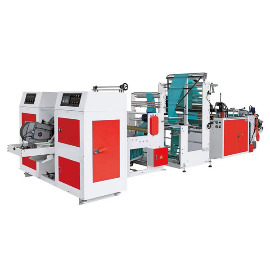
Plastic Bag Making Machine
Sourcing strategy: Decide whether to buy directly from a manufacturer, through a distributor, or via a trading company. Direct manufacturer purchases offer lower prices and better customization but require more oversight. Distributors may offer local support and shorter lead times. Consider multi-sourcing – if you plan to buy multiple machines, you can negotiate better terms. For international procurement, understand import regulations, duties, and logistics. Also, consider leasing or financing options as alternatives to outright purchase.
Supplier evaluation and RFP: Develop a detailed Request for Proposal (RFP) that includes technical specifications, required services (installation, training), delivery timeline, warranty, and commercial terms. Send the RFP to a shortlist of qualified suppliers. Evaluate proposals using a weighted scorecard: technical compliance (40%), price (30%), after-sales support (15%), delivery (10%), and supplier financial stability (5%). Conduct site visits or virtual audits of the manufacturer's facility. Check references thoroughly – ask about machine performance, downtime, and support responsiveness.
Negotiation and contracting: Leverage your evaluation to negotiate not just price but also payment terms, warranty extension, spare parts discounts, and training packages. Aim for a win-win relationship – a fair deal ensures the supplier is motivated to provide good support. The contract should include clear acceptance criteria, liquidated damages for delays, and dispute resolution mechanisms. Engage legal counsel for large purchases to ensure compliance with local laws and to protect intellectual property (if custom designs are involved).
Post-procurement management: After the machine is delivered and installed, monitor its performance against the contractual specifications. Use the warranty period to address any issues. Maintain a relationship with the supplier for future upgrades and service. Evaluate the procurement process itself – what went well, what could be improved – to refine your strategy for future purchases. By adopting a strategic procurement approach, you can secure a bag making machine that not only meets your current needs but also provides flexibility for future growth, with optimal total cost of ownership and minimal operational risk.