bag making machine shipping
Shipping a bag making machine from the manufacturer's factory to your facility is a complex logistics operation that requires careful coordination to ensure the machine arrives safely, on time, and within budget. The machine is heavy (2-10 tons), sensitive to shock and moisture, and often shipped internationally. This guide covers all aspects of shipping: choosing the right shipping mode, packaging standards, incoterms, freight forwarding, customs clearance, insurance, and receiving inspection. Proper shipping management prevents damage, delays, and unexpected costs.
Packaging and crating: The machine must be securely crated to withstand multiple handling during transit. Standard practice: a wooden frame with waterproof plywood skin, lined with plastic sheeting, and desiccants to absorb moisture. The machine is bolted to the base to prevent shifting. Sensitive parts (HMI, sensors) are removed and packed separately. The crate should be labeled with "fragile," "this side up," and handling instructions. The supplier provides the crate dimensions and weight for freight calculation. For sea freight, the crate must be suitable for stacking (if containers) and resistant to salt spray.
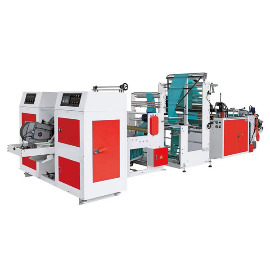
Plastic Bag Making Machine
Choosing shipping mode: Sea freight is most common for international shipments due to cost-effectiveness. It can be shipped as LCL (less than container load) if the machine fits in a partial container, or FCL (full container load) for larger machines. FCL is safer and faster as the crate is not unloaded and reloaded. Air freight is faster but significantly more expensive – usually reserved for urgent spare parts. For domestic shipments, truck freight on a flatbed or enclosed trailer is common. Choose a freight forwarder with experience in heavy machinery.
Incoterms and costs: The most common terms are FOB (free on board) – the seller delivers the machine to the port of departure; the buyer pays for freight, insurance, and import duties. CIF (cost, insurance, freight) – the seller includes these in the price, but the buyer still handles customs clearance. Ensure you understand who is responsible for each stage. Obtain freight quotes from multiple forwarders. Factor in port handling fees, customs broker fees, and inland trucking from the destination port to your facility. These can add 15-30% to the base shipping cost.
Customs clearance: For international shipments, engage a licensed customs broker to handle paperwork: commercial invoice, packing list, bill of lading, certificate of origin, and any required import permits. Ensure the machine's HS code is correctly classified to determine duty rates. Some countries require CE certification or other safety approvals for import – have these documents ready. Provide the broker with accurate machine value for duty calculation. Delays in customs can be costly – pre-clear if possible. Also, check if your country offers duty exemptions for certain manufacturing equipment.
Insurance: Purchase marine cargo insurance to cover damage or loss during transit. Coverage should be "all risks" with a deductible of 0.5-1% of the insured value. The insurance premium is typically 0.3-0.8% of the machine value. Some forwarders offer insurance as part of their service. In case of damage, note it on the delivery receipt, take photos, and file a claim promptly.
Receiving and inspection: Upon arrival, inspect the crate for visible damage before unloading. If damaged, note it on the delivery receipt and request the driver to sign. Unload the crate carefully using appropriate lifting equipment. Once inside, unpack and inspect the machine for damage – check for bent parts, scratches, missing components. Compare with the packing list. If any damage, contact the insurance and the supplier. Install and test the machine as soon as possible to identify any hidden damage. Keep all shipping documents for records. By following these shipping guidelines, you can ensure that your bag making machine arrives in perfect condition and is ready for installation, protecting your investment and maintaining your production schedule.