bag making machine supplier
Choosing the right bag making machine supplier is a critical decision that affects your production efficiency, product quality, and long-term operational costs. A reliable supplier provides not only high-quality machinery but also technical support, spare parts availability, training, and warranty services. The global market offers a wide range of suppliers, from large-scale manufacturers in China, Taiwan, and Europe to specialized regional distributors. This guide outlines the key factors to evaluate when selecting a supplier, including reputation, technical capability, customer references, after-sales service, and financial stability. It also highlights common pitfalls and provides a practical checklist to help buyers make an informed choice that aligns with their production needs and budget.
The first step in evaluating a bag making machine supplier is to assess their industry experience and specialization. Look for suppliers who have been in business for at least 5-10 years and have a proven track record of manufacturing the specific type of bag machine you need – whether it is T-shirt, vest, zipper, flat, or heavy-duty sack. Experienced suppliers understand the nuances of different film materials, seal requirements, and production speeds. They can provide valuable recommendations on machine configuration and optimization. Check their website, product catalog, and case studies to gauge their technical depth. Also, verify if they have in-house engineering teams capable of customizing machines to your specifications, as standard models may not always meet unique production demands.
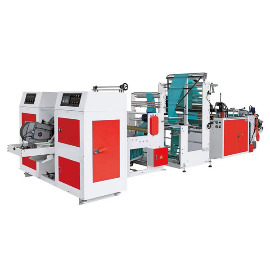
Plastic Bag Making Machine
Customer references and testimonials are invaluable. Ask the supplier for a list of recent customers who have purchased similar machines and contact them directly. Inquire about machine reliability, ease of operation, changeover time, and the supplier's responsiveness to technical issues. If possible, visit a customer's facility to see the machine in operation. This real-world feedback is far more reliable than promotional materials. Additionally, check online reviews and industry forums, but be cautious of biased or unverified posts. A supplier with many satisfied long-term customers is a strong indicator of quality and trustworthiness. For international suppliers, also consider language and time zone barriers – seamless communication is essential for troubleshooting and spare parts ordering.
After-sales support is often the differentiator between a good and a bad supplier. Evaluate the supplier's service network – do they have local technicians or authorized agents in your region? What is their average response time for emergency calls? Do they provide remote diagnostics via internet connectivity? Ask about warranty terms: typically 12 months for new machines, but some offer extended warranties for an additional cost. Also, inquire about the availability of spare parts – the supplier should guarantee parts availability for at least 10 years after machine purchase. A comprehensive training program for your operators and maintenance staff is also crucial; ensure it is included in the purchase package. A supplier that is reluctant to discuss after-sales support or provides vague answers should be treated with caution.
Financial stability and production capacity are practical considerations. Request the supplier's business license, financial statements, or credit reports (for large purchases). A financially healthy supplier is less likely to go out of business, leaving you without support. Also, assess their manufacturing facility – if possible, visit or request a virtual tour. Look for modern CNC machining, quality control processes, and adequate inventory of materials. Suppliers with their own foundry and machining capabilities often offer better quality control and faster delivery. In contrast, suppliers who only assemble imported components may have longer lead times and higher prices. Finally, compare multiple quotes – not just on price, but on included services, delivery terms, payment conditions, and warranty. A lower price may come with hidden costs such as excluding installation or training. By systematically evaluating these factors, you can select a bag making machine supplier who will be a long-term partner in your success, ensuring reliable production, minimal downtime, and continuous improvement support.