bag making machine technical parameters
Bag making machine technical parameters define the operational capabilities and performance limits of the equipment, serving as the primary basis for selecting the right machine for specific production needs. These parameters encompass mechanical dimensions, thermal settings, speed ratings, power requirements, and material compatibility. Understanding each parameter is essential for buyers to ensure that the machine can handle their target bag styles, film types, and output volumes without compromising quality or efficiency. Key parameters such as maximum bag width, sealing temperature range, and production speed directly influence the machine's suitability for different applications, from lightweight retail bags to heavy-duty industrial sacks. This guide provides a detailed breakdown of all critical technical parameters that buyers and operators must evaluate.
The most fundamental parameters are bag dimension capacities: maximum and minimum bag width and length. Bag width typically ranges from 100 mm to 1200 mm for standard machines, with heavy-duty models extending to 1600 mm. Bag length is adjustable from 100 mm up to 2000 mm, with some specialized machines offering lengths beyond 3000 mm for industrial sacks. These dimensions dictate the machine's forming collar, sealing bar, and cutting blade sizes, and they determine the range of products that can be packaged. Film thickness handling is another essential parameter, usually specified as a range from 10 microns (for thin film) to 200 microns (for standard bags) and up to 300-500 microns for heavy-duty sack machines. Thicker films require higher sealing temperatures, longer dwell times, and greater sealing pressure, which must be matched by the machine's heating system and actuator capabilities.
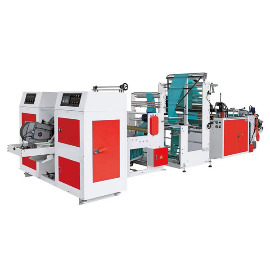
Plastic Bag Making Machine
Production speed, measured in cycles per minute or bags per minute, is a critical parameter that directly impacts throughput. Simple flat bottom-seal machines can achieve 250-300 cycles/min, while T-shirt and vest bag machines typically run at 120-200 cycles/min due to additional punching and folding operations. Zipper bag machines operate slower at 80-150 cycles/min because of the zipper applicator. Speed is influenced by film type, bag complexity, and the machine's mechanical design; servo-driven machines generally offer higher and more stable speeds than clutch-brake systems. Sealing temperature range, typically 100°C to 250°C, must be adjustable with precision (within ±1°C) to accommodate various film materials: LDPE seals at 120-160°C, HDPE at 160-200°C, and biodegradable films at 100-140°C. The machine should include PID controllers and multiple heating zones for uniform temperature distribution across the sealing bars.
Other vital parameters include sealing pressure (adjustable from 1 to 10 bar for pneumatic, up to 50 tons for hydraulic), sealing bar width (usually 5-15 mm), and cooling system efficiency. The number of sealing bars – bottom seal, side seal, or both – determines the bag style. Power consumption varies widely, from 5 kW for compact machines to over 50 kW for high-speed integrated lines with printing and drying. Power supply specifications (voltage, phase, frequency) must match the facility's infrastructure. Control system type – PLC, PC-based, or CNC – affects programming flexibility and connectivity. Machine dimensions and weight (often 2-10 tons) are crucial for floor planning. Noise level (typically 70-85 dB) and safety features like emergency stops, light curtains, and interlocking guards are also specified. Finally, optional add-ons such as automatic splicing, punch units, zipper applicators, and printing stations add to the machine's parameter set, expanding its functional envelope.
Interpreting technical parameters requires understanding their interdependencies. For example, increasing production speed often necessitates higher sealing temperatures or shorter dwell times, which may reduce seal strength if not properly compensated. Wider bags require wider sealing bars and more powerful heating elements, increasing energy consumption. Thicker films demand higher pressure and longer cooling times, which can limit maximum speed. Therefore, buyers must prioritize parameters based on their primary product mix. A common mistake is selecting a machine solely on maximum speed without considering the film type and bag style, resulting in suboptimal performance. It is advisable to request performance curves from the manufacturer showing speed vs. film thickness and seal strength vs. temperature, to verify that the machine can maintain quality across the intended operating range.
Maintenance parameters are often overlooked but are equally important. These include recommended lubrication intervals, filter replacement schedules, and calibration procedures. The machine's mean time between failures (MTBF) and mean time to repair (MTTR) are indicators of reliability and serviceability. Consumable parts like sealing belts, heating elements, and cutter blades have specified lifespans (e.g., 5000 operating hours) and should be factored into the total cost of ownership. Software parameters such as recipe storage capacity, data logging frequency, and communication protocols (Ethernet, Profibus) affect the machine's integration with factory management systems. When evaluating technical parameters, always request the official datasheet and compare values from multiple suppliers. Also, ensure that the parameters are certified by independent testing, especially for safety and CE compliance. A thorough understanding of bag making machine technical parameters empowers buyers to make data-driven decisions, ensuring that the chosen equipment delivers optimal performance, longevity, and return on investment.