bag making machine warranty
The warranty is a contractual guarantee from the bag making machine manufacturer that the equipment will be free from defects in materials and workmanship for a specified period, typically 12 months from the date of installation or shipment. A comprehensive warranty provides peace of mind and financial protection against unexpected failures. However, warranties have exclusions and conditions that buyers must understand to avoid disputes. This guide explains the typical terms of a bag making machine warranty, what is covered and what is not, how to extend warranty coverage, and the proper procedure for making a warranty claim. It also highlights common warranty pitfalls and offers tips for maximizing warranty protection.
Standard warranty coverage: Most suppliers cover all mechanical and electrical components against manufacturing defects for 12 months. This includes the main frame, sealing bars, servo motors, drives, PLC, sensors, pneumatic cylinders, and hydraulic components (if applicable). Labor for repair or replacement is usually included, but travel costs (technician's transportation and accommodation) are often excluded. The warranty typically starts on the date the machine is installed and commissioned, not the shipment date. Some suppliers offer extended warranty up to 24 months for an additional fee. Coverage is usually limited to defects that existed at the time of delivery – it does not cover wear and tear from normal use, or damage caused by misuse, negligence, improper maintenance, or unauthorized modifications.
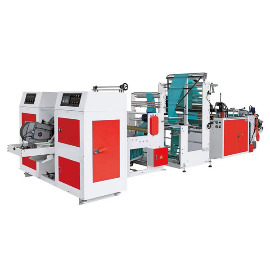
Plastic Bag Making Machine
Exclusions from warranty: Consumables such as sealing bar coverings (Teflon/silicone tape), heating elements, thermocouples, blades, O-rings, filters, and lubricants are typically not covered. Damage from electrical surges, incorrect power supply, or operator error is excluded. Also, any damage caused by using incompatible film materials or running the machine beyond its specified speed or temperature limits voids the warranty. The warranty does not cover downtime losses, lost production, or consequential damages. Some suppliers require that the machine be operated and maintained strictly according to the manual – failure to follow these instructions may invalidate the warranty. Therefore, read the warranty terms carefully and clarify any ambiguous points before signing.
Warranty extension options: Many suppliers offer optional extended warranties at the time of purchase or within the first year. Extended warranties typically cover the same scope as the standard warranty for an additional 12-24 months. The cost is usually a percentage of the machine price (5-15% per year). Some service contracts include warranty extension as part of a comprehensive maintenance package. Evaluate the cost of extension against the potential repair costs – for complex machines with expensive servo drives, an extension is often worthwhile. Also, check if the extension requires you to use the supplier's service team for all maintenance – if so, factor in their service rates.
Filing a warranty claim: If a covered component fails, follow the supplier's claim procedure. Typically, you must notify the supplier immediately, describing the problem and providing photos or videos. They will diagnose remotely or send a technician. Do not attempt to repair the component yourself without authorization, as this may void the claim. Keep a log of all maintenance activities and operating hours – this helps prove that the machine was properly maintained. The supplier may require you to return the defective part for analysis. Shipping costs for the defective part are usually the buyer's responsibility, while the replacement part is shipped under warranty. For international claims, customs duties on replacement parts may be borne by the buyer. To streamline claims, maintain good communication with the supplier and keep all purchase and installation records.
Maximizing warranty protection: Schedule the installation and commissioning promptly after delivery, because the warranty clock starts at installation. Perform the recommended initial maintenance and keep detailed records. Use only approved lubricants and consumables. If you encounter any issue during the warranty period, report it immediately – even if it is minor, it could be a symptom of a larger defect. Also, negotiate that the warranty period be extended by the downtime incurred due to warranty repairs. By understanding and actively managing your
bag making machine warranty, you can ensure that any manufacturing defects are rectified at minimal cost, protecting your investment and maintaining production continuity.