biodegradable bag making machine
A biodegradable bag making machine is a specialized production system designed to process biodegradable and compostable polymers such as PLA (polylactic acid), PBAT (polybutylene adipate terephthalate), PBS (polybutylene succinate), and starch-based blends. These materials are derived from renewable sources (corn, cassava) or are synthetic biodegradable polyesters, and they require different processing conditions compared to conventional polyethylene. Biodegradable bags are increasingly demanded by retailers, food service, and municipal waste management to reduce plastic pollution. The machine must be adapted with lower temperature ranges (typically 100-160°C), precise temperature control (±1°C), and gentle film handling to prevent thermal degradation and material sticking. Speeds are generally lower, around 80-150 bags per minute, due to the narrower processing window. These machines can produce various bag styles – T-shirt, vest, flat, zipper, and garbage bags – using the same basic bag making architecture but with modified sealing bars, tension rollers, and cooling systems.
The operational process of a biodegradable bag making machine is similar to a conventional bag machine but with critical differences. The film unwinding must have extremely sensitive tension control because biodegradable films are more prone to stretching and necking. The sealing station uses temperature controllers with faster response times to maintain the narrow temperature window – for PLA, sealing temperature is typically 110-140°C, while PBAT requires 130-160°C. The dwell time is often longer (0.3-0.8 seconds) to achieve adequate seal strength without burning. After sealing, cooling is accelerated using chill rollers to set the seal quickly, as biodegradable films have lower heat resistance. The cutting station uses sharper blades with reduced pressure to avoid tearing the film. For perforation (e.g., for garbage bag rolls), the perforation strength must be precisely calibrated, as biodegradable films are more brittle. The stacking unit must handle bags gently to prevent creasing. Many machines include a dehumidifying system in the film path, as biodegradable polymers are hygroscopic and can absorb moisture, affecting sealing quality.
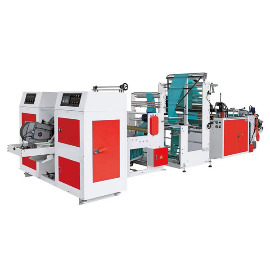
Plastic Bag Making Machine
Key technical specifications for biodegradable bag making machines include bag width (100-800 mm), bag length (150-1200 mm), film thickness (20-80 microns for most biodegradable films), production speed (80-150 BPM). Sealing temperature range is 100-160°C, with accuracy of ±1°C. Sealing pressure is lower than for PE, typically 2-4 bar. The machine must have a cooling system (water-cooled rollers) to reduce film temperature after sealing. Power consumption is 15-30 kW. The heating elements must be capable of precise ramp-up and ramp-down. Optional features include a moisture sensor to alert if film humidity exceeds 0.5%, and a special anti-stick coating on sealing bars to prevent molten bioplastic from adhering. The machine's construction should include corrosion-resistant materials, as biodegradable polymers can release acidic byproducts during heating.
biodegradable bag making machines are used by converters serving retailers who have switched to compostable shopping bags, food service operators using compostable food waste bags, and municipalities requiring compostable yard waste bags. They also produce bags for organic produce, where the compostable bag can be placed directly into compost bins. The growing global regulation against single-use plastics has driven demand for these machines. However, the market is sensitive to raw material costs, which can be higher than conventional PE. Some machines are designed to run both biodegradable and traditional PE to offer flexibility, but this requires careful changeover and cleaning to avoid cross-contamination of materials.
Selecting a biodegradable bag making machine requires verifying the material range you intend to process. PLA and PBAT have different sealing windows; choose a machine with wide temperature adjustability and multiple zone controls. Ensure the machine's sealing bars are made from materials that resist sticking – coated bars (e.g., Teflon-coated) are recommended. The cooling system must be robust enough to cool the seal immediately; water-cooled chill rolls are preferred over air cooling. Consider the machine's speed – biodegradable films often run slower than PE to maintain seal quality, so if you need high output, select a machine with a higher base speed rating to allow for derating. Also, evaluate the machine's ability to handle blended films (PLA/PBAT blends), which are common. Request a trial with your specific resin to verify seal strength, as biodegradable seals are generally weaker than PE seals; you may need to adjust dwell time and pressure accordingly.
Maintenance of a biodegradable bag making machine requires special attention to cleaning and temperature calibration. The sealing bars must be cleaned more frequently (every 2 hours) because biodegradable polymers tend to char and stick more than PE. Use cleaning agents that are compatible with bioplastics; avoid solvents that can damage the bars. The cooling rollers need regular inspection to ensure they are free of residue and maintain proper temperature. Calibrate temperature sensors daily, as the narrow window means even a 2°C drift can cause poor seals. The film handling rollers should be cleaned weekly to prevent moisture absorption from the film, which can cause slipping. The anti-stick coating on sealing bars must be inspected monthly and reapplied if worn. Keep spare sealing bar coverings and heating elements, as biodegradable processing wears them faster. Also, monitor the machine's exhaust system, as some biopolymers emit faint odors during heating; ensure proper ventilation. By adopting these tailored practices, a biodegradable bag making machine can produce high-quality, compostable bags that meet both environmental regulations and consumer expectations for sustainable packaging.