buy bag making machine
Deciding to buy a bag making machine is a significant investment that requires careful planning and execution. This guide provides a structured approach to the purchasing process, from defining your production requirements to final acceptance and commissioning. Whether you are a first-time buyer or expanding your existing line, following a systematic procedure reduces risk and ensures you acquire a machine that meets your quality, speed, and budget targets. The process involves multiple stages: needs assessment, market research, supplier shortlisting, quotation comparison, negotiation, order placement, manufacturing follow-up, delivery, installation, and acceptance testing. Each stage has its own critical considerations that can make or break the success of your investment.
Needs assessment: Before you start contacting suppliers, define exactly what you need. Document the bag types (T-shirt, vest, flat, zipper, stand-up), dimensions (width and length), film materials (PE, PP, biodegradable, recycled), thickness range, desired production speed (bags per minute), and any optional features (printing, punching, zipper applicator, automatic splicing). Also, consider your facility constraints: available floor space, power supply (voltage, phase), compressed air capacity, and operator skill level. Prepare a detailed technical specification sheet – this will be the basis for all supplier quotations and will help you compare offers objectively. Include your budget range and expected delivery timeline to set realistic expectations.
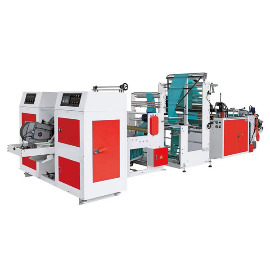
Plastic Bag Making Machine
Supplier research and shortlisting: Based on your specifications, search for suppliers via industry directories, trade shows, online B2B platforms, and recommendations from industry peers. Shortlist 3-5 suppliers that have experience with your machine type. For each, request a detailed quotation that includes: machine model, technical specifications, optional modules, price (FOB or CIF), delivery time, payment terms, warranty, training, and spare parts kit. Also ask about installation supervision and commissioning. Compare the quotations not only on price but on the completeness of the offering – a lower price that excludes training or installation may end up costing more overall. Check the suppliers' credentials, such as CE certification, ISO 9001, and customer references.
Quotation analysis and negotiation: Scrutinize each quotation line by line. Clarify any ambiguities – for example, what is included in the "standard" package and what is optional? Negotiate the price, but also negotiate payment terms (e.g., 30% deposit, 60% before shipment, 10% after acceptance), delivery time (try to secure a penalty clause for delays), and warranty conditions (extend to 18 months if possible). Ask for a discount on the spare parts kit or free additional tooling. For large orders, consider a site visit to the supplier's factory to inspect ongoing production quality. Record all negotiated points in a formal purchase agreement.
Order placement and manufacturing follow-up: Once the contract is signed, maintain regular communication with the supplier. Request progress photos and videos, especially of critical components like sealing bars and servo motors. If possible, schedule a Factory Acceptance Test (FAT) where you visit the supplier to run your film on the machine and verify performance. If travel is not possible, request a live video test. Ensure the machine is properly packed for sea freight (if international) with anti-rust treatment and wooden crates. Coordinate with your freight forwarder for customs clearance and inland transport.
Delivery, installation, and acceptance: Upon arrival, inspect the machine for any shipping damage before unloading. Have the supplier's technician (or your local agent) perform installation and commissioning. This includes connecting power, air, aligning components, and running test batches with your film. Conduct a Site Acceptance Test (SAT) to verify that the machine meets all specified parameters – speed, bag dimensions, seal strength, registration accuracy, and stacking quality. If any deviations are found, document them and insist on corrective action before making the final payment. Ensure that the operator training is completed and that your team can independently run the machine. Finally, obtain all documentation: operation manual, maintenance guide, electrical schematics, spare parts list, and software backups. By following this comprehensive buying process, you can purchase a bag making machine with confidence, ensuring it performs as promised and delivers a strong return on your investment.