computer controlled bag making machine
A computer controlled bag making machine refers to a bag manufacturing system that uses a centralized computer – typically an industrial PC or a high-end PLC with advanced computing capabilities – to manage every aspect of the production process. Unlike standard PLC-controlled machines that have limited memory and processing power, computer controlled machines run sophisticated operating systems (often Windows-based or Linux-based) that enable advanced features such as real-time data analytics, predictive maintenance algorithms, cloud connectivity, and complex recipe management. This digital intelligence transforms the bag making machine from a simple electromechanical device into a smart manufacturing asset capable of self-optimization and remote operation. Computer controlled bag making machines are increasingly adopted by large scale producers who seek to integrate their packaging lines with enterprise resource planning (ERP) and manufacturing execution systems (MES) for full production visibility and control.
The architecture of a computer controlled bag making machine includes a powerful central processing unit, a high-resolution touchscreen or separate monitor, and multiple I/O modules that interface with sensors, actuators, and drives. The computer runs specialized bag making software that provides a graphical interface for machine setup, real-time monitoring, and data logging. This software can store thousands of recipes, each containing hundreds of parameters such as bag length, seal temperature, pressure profile, acceleration curves, and punch timing. During production, the computer continuously samples data from encoders, temperature sensors, pressure transducers, and vision systems at high frequencies (up to 1 kHz), processing this data to make instantaneous adjustments – for example, correcting film tension or sealing temperature on the fly to compensate for material variations. The computer also generates detailed production reports, including uptime, reject counts, energy consumption, and maintenance alerts, which can be exported in standard formats (CSV, XML) for further analysis. Remote access capabilities allow authorized personnel to monitor and even control the machine from anywhere via a secure network connection.
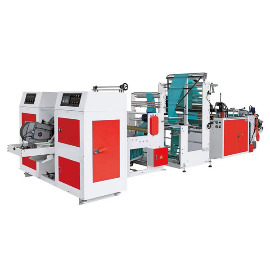
Plastic Bag Making Machine
Key features of computer controlled bag making machines include advanced process control, self-diagnostics, and connectivity. The process control module uses adaptive algorithms that learn from past runs to optimize parameters automatically, reducing the need for manual tuning. For instance, the computer can analyze seal strength data from an in-line tester and adjust temperature and pressure for the next batch without operator intervention. Self-diagnostics go beyond simple error codes; the computer can predict component failures by analyzing trends in motor current, vibration, and temperature, sending alerts days or weeks before a breakdown occurs. Connectivity includes standard Ethernet/IP, Profinet, and OPC UA, enabling seamless integration with higher-level systems. Many machines also support IoT protocols like MQTT for cloud-based data collection, allowing plant managers to compare performance across multiple machines and shift schedules. The user interface is typically a web-based dashboard that can be accessed from tablets or smartphones, providing flexibility for floor supervisors. Additionally, the computer can enforce access controls with user authentication and audit trails, which is crucial for regulated industries like pharmaceuticals.
Different software packages are available for
computer controlled bag making machines, tailored to specific bag types and production environments. The T-shirt bag software includes modules for handle punching optimization, adjusting punch timing based on film speed to ensure clean cuts. The zipper bag software incorporates algorithms for zipper alignment, using vision feedback to correct zipper position in real-time. The heavy-duty sack software focuses on sealing force and cooling time optimization, using predictive models based on film temperature and ambient conditions. Some systems offer simulation modes that allow operators to test changes virtually before applying them to the actual machine, reducing trial runs and material waste. Advanced packages include an OEE (Overall Equipment Effectiveness) calculator that automatically tracks availability, performance, and quality, providing a single metric for production efficiency. Moreover, the software can integrate with quality management systems, automatically generating control charts and capability analyses to support Six Sigma initiatives.
Applications of computer controlled bag making machines are most beneficial in environments with high product mix, stringent quality requirements, and a need for traceability. Converters who produce many different bag types and sizes benefit from the quick recipe changeover and automatic optimization, reducing setup time and operator error. Manufacturers supplying to the pharmaceutical and medical device sectors use the computer's audit trail and data logging to comply with FDA 21 CFR Part 11 requirements for electronic records. Large retail bag producers use the connectivity to monitor production in real-time across multiple plants, allowing central planning to allocate orders dynamically based on machine availability. E-commerce packaging companies utilize the machine's adaptive control to handle variable film quality from different suppliers, maintaining consistent output despite material fluctuations. Research and development departments use computer controlled machines to experiment with new materials and bag designs, leveraging the machine's data collection to quantify performance differences precisely.
Selecting a computer controlled bag making machine involves evaluating the software capabilities, compatibility with existing IT infrastructure, and the supplier's support for software updates. The software should be intuitive and offer comprehensive help guides and troubleshooting wizards, as operator training is a significant investment. Verify that the computer hardware is industrial-grade with solid-state drives, fanless cooling, and extended temperature range to operate reliably in dusty or warm factory conditions. Check the connectivity options to ensure they match your plant's network protocols; also inquire about cyber security measures such as firewall and encryption. Assess the supplier's commitment to software development – frequent updates with new features and security patches are essential for long-term value. Ask about the cost of software licenses and whether they are perpetual or subscription-based. Finally, consider the machine's ability to integrate with downstream and upstream equipment, as a computer controlled bag making machine can serve as a data hub for the entire packaging line, providing holistic control and monitoring.
Maintenance of a computer controlled bag making machine has a strong digital component. Beyond the regular mechanical upkeep, the computer system requires periodic software updates, backup of recipes and configuration files, and virus protection (if running Windows). Schedule monthly data backups to an external server or cloud to prevent loss of production parameters. Review the system logs weekly to identify any recurring warnings or error messages that may indicate developing hardware issues. Keep the computer's air filters clean to prevent overheating; many industrial PCs have replaceable dust filters that should be checked monthly. Ensure that the uninterruptible power supply (UPS) is tested quarterly to protect the computer and PLC from power surges and outages. For software updates, follow the supplier's recommendations and test updates on a backup machine or during planned downtime to avoid unexpected disruptions. Train IT staff on the machine's network configuration and security protocols, as they are responsible for integration with the plant's broader IT environment. By treating the computer as a critical component, owners can leverage the full intelligence of the machine, achieving higher productivity, better quality, and faster response to market changes.