paper bag making machine
A paper bag making machine is a specialized production system that converts rolls of paper (kraft, bleached, or coated) into finished paper bags, which are widely used as eco-friendly alternatives to plastic shopping bags. These machines perform multiple operations: paper unwinding, printing (optional), folding, side gluing, bottom forming, bottom pasting, and sometimes handle attaching. Paper bag machines are inherently slower than plastic film machines, typically producing 80 to 250 bags per minute depending on size and complexity. They are essential for converters serving the growing demand for sustainable packaging in retail, food service, and e-commerce. The machines handle various paper grades, from lightweight (40 gsm) for gift bags to heavy kraft (120 gsm) for grocery sacks. With global plastic bag bans, the paper bag making machine market has seen significant growth, and modern machines incorporate advanced servo controls for precise folding and gluing.
The operational process of a paper bag making machine begins with the paper roll mounted on an unwind stand with tension control. The paper is drawn through a printing station (if needed) where flexographic or gravure units apply branding. Next, the paper passes through a creasing station that scores fold lines for the bottom and sides. The paper then enters the forming section where it is folded into a tube, with the side seam glued using cold or hot melt adhesive. The tube is then cut to length, and the bottom is formed by folding flaps that are glued together to create a flat, square bottom. For bags with twisted paper handles, a handle unit feeds pre-rolled paper string, cuts it, twists it, and attaches it to the bag top using adhesive patches. The finished bag is then stacked and counted. Some machines produce flat-bottom paper bags without handles for bakery or bulk goods. The entire process requires precise control of paper tension, moisture content, and adhesive application to avoid wrinkling or weak bonds.
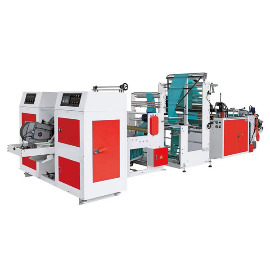
Plastic Bag Making Machine
Key technical specifications for paper bag making machines include bag width (150-600 mm), bag length (200-800 mm), bottom depth (50-150 mm), paper weight (40-120 gsm), production speed (80-250 BPM for simple bags, 50-150 BPM with handles). The gluing system uses either hot melt (EVA-based) or cold glue (starch or PVA) with precise application rollers. Sealing or gluing temperature ranges from 120-180°C for hot melt, with pressure of 3-6 bar. The folding and creasing sections must be adjustable for different paper thicknesses. Power consumption is 15-40 kW, and compressed air demand is 6 bar at 500-800 L/min. The stacking unit often includes a counting system and a conveyor for manual or automatic packing. Optional features include a die-cutting unit for custom shapes, a printed label applicator, and a moisture control system to prevent paper curling.
paper bag making machines are used in retail for shopping bags, grocery sacks, and gift bags. The food industry uses them for bakery bags, take-out bags, and brown paper lunch bags. E-commerce and mail order use paper bags for shipping clothing and small items, often with reinforced bottoms. The luxury and boutique sectors prefer high-grammage paper with twisted handles for a premium look. With the rise of sustainable packaging, many paper bag machines now produce bags from recycled paper and FSC-certified kraft. Some machines are designed to produce SOS (self-opening sacks) for automatic filling lines in supermarkets. The versatility of paper bag machines allows converters to serve multiple market segments with one machine by changing paper grades and handle modules.
Selecting a paper bag making machine requires evaluating the bag style (flat bottom, gusseted, with or without handles), paper weight, and speed. For a high-volume grocery bag production (e.g., 200 BPM), a machine with a heavy-duty forming section and hot melt gluing is recommended. If you produce boutique gift bags with twisted handles, look for a machine with a reliable handle attachment unit that can handle various handle lengths. Consider the paper type – recycled paper may have shorter fibers and require gentler folding and lower tension. The glue system must be chosen based on your adhesive type and environmental conditions; hot melt is faster but more expensive, while cold glue is cheaper but requires drying time, which limits speed. The machine's changeover time between bag sizes is crucial for converters with multiple customers; machines with servo-driven adjustments and tool-less changeovers reduce downtime. Also, assess the machine's dust extraction system, as paper dust can affect moving parts.
Maintenance of a paper bag making machine involves regular cleaning of glue rollers and folding plates. The glue applicator rollers must be cleaned daily to prevent adhesive buildup that causes uneven gluing and paper sticking. The folding plates and creasing rollers need weekly inspection for scratches or wear that could tear the paper. Lubricate all bearings and gears monthly. The cutting blade should be sharpened regularly to avoid ragged edges. For machines with twisted handle units, check the paper string tension and cutters weekly. The heater bands for hot melt glue need temperature calibration monthly. Keep spare glue nozzles and rollers in stock. Since paper is abrasive, replace worn guide rollers and tension sensors as they degrade. Also, monitor the machine's ambient humidity – paper bags are sensitive to moisture, and too much humidity can cause jams; install dehumidifiers if needed. By maintaining cleanliness, proper lubrication, and precise adjustments, a paper bag making machine can produce high-quality, sustainable bags that meet the growing demand for eco-friendly packaging alternatives.