plastic bag making machine for packaging
A plastic bag making machine for packaging is a broad category of bag production equipment designed to manufacture bags specifically intended for packaging various products, from food items to industrial components. Unlike generic bag machines, packaging-focused machines are often tailored to specific industry requirements such as food safety, barrier properties, or sterilization. They can produce a wide array of bag styles including flat bags, gusseted bags, zipper bags, stand-up pouches, and heavy-duty sacks, depending on the end-use. These machines are essential for converters serving the flexible packaging market, which continues to grow due to the convenience, cost-effectiveness, and sustainability advantages of plastic bags over rigid packaging. They are built with precision controls, hygienic designs (for food), and optional features like printing and leak testing to meet the stringent demands of packaging applications.
The core functionality of a plastic bag making machine for packaging revolves around converting film rolls into finished bags that provide protection, containment, and presentation for the product. The machine typically includes unwinding, sealing, cutting, and stacking sections, with additional modules for gusseting, zipper application, or punching as needed. For food packaging, the machine must be constructed from food-grade materials (stainless steel contact parts) and include temperature controls that prevent film degradation that could affect food safety. For industrial packaging, the machine emphasizes durability and high-force sealing to handle thick films. The control system often includes recipe management to store settings for different bag sizes and materials, enabling quick changeovers that are essential for packaging converters who handle multiple customers and product types. Advanced models feature in-line quality control, such as vision inspection for seal integrity and barcode verification.
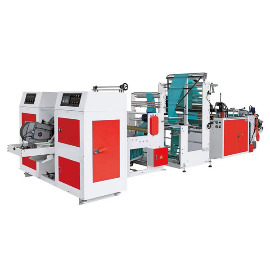
Plastic Bag Making Machine
Key technical parameters for a plastic bag making machine for packaging include bag width (100-1600 mm), bag length (100-3000 mm), film thickness (10-300 microns), production speed (20-300 BPM depending on bag complexity), sealing temperature range (100-250°C), and power consumption (5-60 kW). The machine must be compatible with various film materials: polyethylene (LDPE, HDPE, LLDPE), polypropylene (BOPP, CPP), polyamide (nylon), EVOH, and biodegradable polymers (PLA, PBAT). For multi-layer laminates used in barrier packaging, the machine requires precise temperature and pressure control to seal through multiple layers without delamination. Optional features include automatic splicers for non-stop operation, in-line flexo printing, leak testers, and servo-driven stacking systems. The machine's frame must be rigid to maintain alignment at high speeds, and noise reduction enclosures are often added for operator comfort.
Applications of plastic bag making machines for packaging are virtually limitless. In the food industry, they produce bags for fresh produce, frozen foods, dairy, meat, poultry, seafood, snacks, confectionery, and dry goods. Each application demands specific seal strength, barrier properties, and sometimes modified atmosphere packaging (MAP) capability. Retail packaging includes shopping bags, garment bags, and mail order poly bags. Industrial packaging covers hardware, automotive parts, chemicals, construction materials, and electronics. Medical packaging includes sterile barrier pouches for devices and IV solutions, requiring validated sealing processes and cleanroom compatibility. Agricultural packaging includes seed bags, fertilizer sacks, and silage bags. The machine's versatility allows converters to serve multiple sectors, making it a strategic investment for flexible packaging manufacturers.
Selecting a
plastic bag making machine for packaging requires defining the target applications and their specific requirements. Start with the bag style – flat, gusseted, zipper, stand-up, or heavy-duty – as this determines the necessary modules. For food packaging, prioritize machines with food-grade construction, easy-clean designs, and temperature accuracy of ±1°C to ensure seal integrity without charring. For high-speed volume production, servo-driven machines with automatic splicing reduce downtime. If you handle multiple film types, look for machines with adjustable sealing pressure and a wide temperature range. Consider the integration with pre-existing printing or laminating equipment. The machine's output must match your order volume – for small converters, a slower machine with quick changeover may be more cost-effective than a high-speed one. Also, assess the supplier's ability to provide validation documentation for regulated industries (e.g., ISO 11607 for medical). Finally, evaluate the total cost of ownership, including energy consumption, spare parts availability, and maintenance support, as packaging machines often run 24/7 and reliability is paramount.
Maintenance of a plastic bag making machine for packaging follows general bag machine practices but with extra attention to hygiene and quality control. Clean all film contact surfaces daily, especially for food applications, using approved food-safe cleaners. The sealing bars must be free of residue to prevent contamination. Calibrate temperature sensors weekly, as even small deviations can compromise seal strength and food safety. For machines with leak testers, verify their sensitivity monthly using test samples. The film handling section should be inspected for wear that could cause scratches on the film surface, affecting appearance and barrier properties. Lubricate bearings with food-grade lubricants where applicable. Keep a detailed maintenance log that includes production shifts, film types, and any quality issues, as this helps in troubleshooting and process optimization. Since packaging customers often require certifications and traceability, ensure the machine's control system can generate production reports that include sealing parameters and quality metrics. By maintaining high standards of cleanliness, precision, and documentation, a plastic bag making machine for packaging can consistently produce bags that meet the strict requirements of modern packaging industries.