plastic bag making machine
A plastic bag making machine is an automated industrial system designed to convert roll-fed plastic films, such as polyethylene (PE), polypropylene (PP), and biodegradable resins, into finished bags of various styles and sizes. This equipment is the backbone of the flexible packaging industry, serving retail, food, medical, and waste management sectors. Modern machines integrate unwinding, sealing, cutting, stacking, and sometimes printing in a continuous high-speed process, achieving production rates of up to 300 bags per minute depending on the bag complexity and film type.
The core working principle of a plastic bag making machine revolves around a sequence of precisely synchronized mechanical and thermal operations. First, the film roll is mounted on an unwind stand equipped with tension control systems, typically using dancer arms or servo-driven sensors to maintain constant web tension. The film then passes through a set of guide rollers and enters the sealing station, where heated sealing bars (impulse or constant heat type) fuse the film layers together at the bottom or sides, depending on the bag design. For printed films, a photo-eye registration sensor detects print marks to ensure accurate cutting and sealing alignment. Finally, a rotary or guillotine cutting blade separates the individual bags, which are then conveyed to a stacking unit that counts and organizes them for packaging.
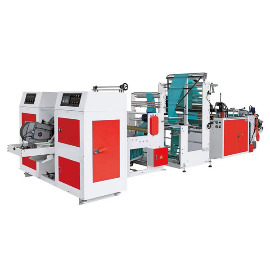
Plastic Bag Making Machine
Key technical parameters of a plastic bag making machine determine its capability and suitability for different production demands. The bag width typically ranges from 100 mm to 1200 mm, while bag length can extend from 100 mm up to 2000 mm. Sealing temperature is adjustable between 100°C and 250°C to accommodate various film materials, with HDPE requiring higher temperatures than LDPE or biodegradable films. Production speed varies significantly: simple flat or bottom-seal bags can run at 200-300 cycles per minute, whereas T-shirt or zipper bags with complex punching and applicator mechanisms typically run at 80-150 cycles per minute. Film thickness handling ranges from 10 to 200 microns, and maximum roll diameter often reaches 800 mm, allowing long, uninterrupted production runs.
There are several distinct types of plastic bag making machines, each engineered for specific bag styles. The T-shirt bag machine is one of the most common, featuring a punching unit that cuts out handle holes and a notch for easy tearing, widely used in supermarket checkout counters. The vest bag machine produces bags with die-cut handles and often includes a gusset forming device to create a flat bottom, offering higher strength for heavier groceries. Side seal and bottom seal bag machines are simpler configurations that produce flat bags without handles, frequently used for produce, bakery items, and industrial packaging. Zipper bag making machines are equipped with a specialized zipper applicator that feeds and seals a reclosable track onto the film, essential for food storage and consumer goods packaging. Garbage bag machines are designed for high-volume production with coreless winding and perforation units for tear-off rolls.
The applications of
plastic bag making machines span virtually every industry that requires flexible packaging. In retail and supermarkets, T-shirt and vest bags are indispensable for customer checkout and carryout services. The food packaging industry relies heavily on flat and zipper bags for fresh produce, frozen foods, snacks, and bulk grains, with stringent requirements for seal integrity and food-grade materials. Medical and pharmaceutical sectors use specialized bag making equipment to produce sterile pouches, specimen collection bags, and IV solution packaging, often requiring cleanroom-compatible designs and anti-static features. Industrial applications include heavy-duty garbage bags, construction debris sacks, and drum liners, which demand thicker films and stronger seals. Agricultural uses range from fruit and vegetable bags to mulch film bags and silage bags for livestock feed, demonstrating the versatility of this essential machinery.
Selecting the right plastic bag making machine requires careful evaluation of several factors to ensure optimal return on investment. Begin by defining the primary bag type, dimensions, and thickness, as these dictate the necessary sealing bar configuration, cutting mechanism, and optional modules like punching or zipper applicators. Evaluate the film material compatibility carefully; while standard machines handle PE and PP well, biodegradable resins like PLA and PBAT require lower sealing temperatures and adjusted feed rates, so always verify with the manufacturer. Production speed requirements should align with your order volumes, with servo-driven machines offering higher speed, better accuracy, and lower energy consumption compared to traditional clutch-brake systems. Automation features such as automatic splicing, in-line printing, and stack counting can significantly reduce labor costs and improve efficiency. Finally, consider the machine's build quality, availability of spare parts, and after-sales technical support, as these directly impact long-term uptime and maintenance costs.
Routine maintenance of a plastic bag making machine is critical to ensure consistent bag quality and prolong equipment lifespan. Daily tasks include cleaning the sealing bars with a brass brush to remove charred residue, inspecting tension rollers for smooth operation, and checking the photo-eye sensor for dust or misalignment. Weekly maintenance should involve lubricating all moving bearings, chains, and gears with high-temperature grease, as well as examining heating elements and thermocouples for accurate temperature readings. Monthly calibration of the sealing pressure and cutting blade alignment is recommended to prevent uneven seals or ragged cuts. Annually, a comprehensive overhaul should include gearbox oil replacement, belt tension adjustment, and inspection of all electrical connections and safety guards. Proper documentation of maintenance activities helps in predictive scheduling and minimizes unexpected breakdowns during peak production periods.
The future of plastic bag making machines is being shaped by sustainability trends and Industry 4.0 technologies. Manufacturers are increasingly designing machines capable of processing post-consumer recycled films and compostable materials, with modified screw drives and cooling systems to handle lower melting points and varying melt flow indexes. Smart sensors and IoT connectivity are becoming standard, enabling real-time monitoring of temperature, tension, and production counts, with predictive analytics to flag potential failures before they occur. Energy-efficient servo motors and insulated sealing bars are reducing power consumption by up to 30% compared to older pneumatic designs. As global regulations on single-use plastics tighten, the industry is pivoting towards thinner, stronger films and reusable bag designs, pushing machine builders to innovate with multi-layer co-extrusion compatibility and high-speed perforation for easy-tear features. This evolution ensures that the plastic bag making machine remains a vital and adaptable tool in the global packaging landscape.