sack making machine
A sack making machine is a robust industrial system specifically engineered to produce heavy-duty sacks and bags used for bulk packaging of agricultural produce, construction materials, chemicals, and animal feed. Unlike standard bag making machines that handle lightweight films, sack making machines are designed to process thicker films (150-300 microns), woven polypropylene fabric, or laminated materials to deliver superior strength, puncture resistance, and seal integrity. These machines are essential in industries where packaging integrity directly impacts product safety and logistics efficiency, such as in the cement industry where a broken sack can cause significant material loss and safety hazards. The sack making machine encompasses a range of models, from simple bottom-seal units for flat sacks to advanced multi-line machines that produce gusseted and blocked-bottom sacks with high automation and minimal manual intervention.
The operational process of a sack making machine involves several heavy-duty stages built to withstand the higher stresses of thick materials. The film or woven substrate is fed from large-format rolls through a tensioning system that uses heavy-duty dancer rollers and pneumatic brakes to prevent stretching or tearing. The sealing station on a sack making machine typically employs wider and more powerful heating bars, often with double sealing capability to create reinforced seals that can withstand rough handling and high filling weights. For woven polypropylene sacks, a special sealing method called heat sealing or stitching is used, where the machine applies hot air or heated serrated blades to melt the polymer coating and fuse the layers together. After sealing, the cutting station utilizes heavy-duty rotary knives with replaceable blades to cut the continuous web into individual sacks. Advanced sack making machines may include an automatic bottom folding unit that creates a square or flat bottom, allowing the sack to stand upright during filling operations, which is particularly valuable for automatic filling lines.
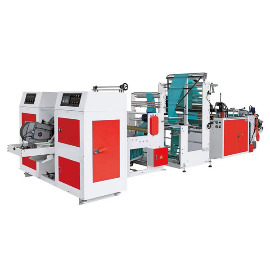
Plastic Bag Making Machine
Key technical specifications of a sack making machine differentiate it from standard bag machines. The maximum material width often reaches 1400-1600 mm, accommodating large sack sizes. Material thickness capability extends up to 300 microns for film-based sacks and up to 120 grams per square meter for woven fabrics. Production speed for film sacks is typically 80-150 sacks per minute, while woven sack production is slower at 30-60 sacks per minute due to the additional handling required for fabric alignment and sealing. Sealing temperature ranges from 180°C to 300°C for woven polypropylene, necessitating high-capacity heating elements and cooling systems to prevent overheating. The drive system is almost exclusively servo-based on modern sack making machines, providing the torque needed to handle heavy rolls and maintain precise registration even at varying speeds. Machine weight can exceed 8-10 tons for large models, requiring reinforced flooring and careful installation planning.
There are several distinct variants of sack making machines tailored to different sack styles and materials. The flat bottom
sack making machine is the most common type for cement and chemicals, producing sacks with a rectangular bottom that allows them to be stacked stably on pallets. The gusseted sack machine incorporates folding plates that create side folds, enabling the sack to expand when filled, commonly used for pet food and agricultural products where high volume capacity is needed. The pinch bottom sack machine creates a sack with the bottom seal turned up and sealed flat against the body, providing a clean, glue-free closure that is popular in the flour and sugar industries. The woven sack line often includes an additional laminator unit that applies a polyethylene coating to the woven fabric, improving moisture barrier and seal strength. For fertilizer and grain packaging, the sack making machine may be equipped with an automatic valve insertion system that creates a valve opening for filling via a spout, facilitating efficient high-speed filling operations without manual bag handling.
The application spectrum for sack making machines covers the most demanding packaging scenarios in the global economy. In the construction industry, cement sacks, plaster sacks, and sandbags are produced on heavy-duty sack making machines, requiring high tensile strength and resistance to tearing during palletizing and transport. The agricultural sector depends on sack machines for feed sacks, seed sacks, and grain storage bags, where barrier properties against moisture and pests are critical. Chemical and fertilizer producers utilize laminated sacks to contain hazardous substances and prevent leakage, with stringent quality standards for seal integrity. The food industry employs sack making machines for sugar, flour, rice, and pulses, often requiring food-grade materials and clean production environments. Waste management and recycling sectors use large sack making machines to produce industrial bin liners and construction debris bags that can handle sharp objects and heavy weights. The versatility of the sack making machine makes it indispensable for any industry that requires bulk packaging in the 5-50 kg range, offering a cost-effective alternative to rigid containers like drums and boxes.
Selecting a sack making machine requires careful consideration of the material type, sack dimensions, and production volume. The first step is to define the sack material: if using woven polypropylene, a machine with hot-air sealing or stitching capabilities is necessary, whereas for thick polyethylene films, a standard impulse or constant heat sealer with reinforced bars will suffice. Sack size range must be matched to the machine's maximum width and length adjustment, with most models offering flexibility from 400 mm to 1200 mm in width and up to 2000 mm in length. Production speed should be evaluated against your required daily output, with automatic machines offering higher speeds and lower labor costs despite higher initial investment. Consider the integration with upstream film extrusion or lamination lines and downstream filling equipment, as seamless material handling between processes reduces intermediate storage and handling costs. Additionally, assess the availability of technical support and spare parts, especially for specialized components like hot-air sealing nozzles or heavy-duty cutting blades that have shorter wear life compared to standard bag machine parts.
Maintenance and safety considerations for sack making machines are more demanding than for standard bag machines due to the higher operating forces and temperatures. Operators must be trained in proper lockout-tagout procedures when cleaning sealing bars or replacing blades, as the machine's powerful servo motors can start automatically if not properly isolated. Daily inspection should focus on the sealing elements, checking for wear on the sealing bars, thermocouple accuracy, and any charred residue that could contaminate the sack surface. Weekly lubrication of all heavy-load bearings and drive chains with high-pressure grease is essential to prevent premature failure. Monthly calibration of the tension sensors and edge guide systems prevents material wandering that can cause costly jams. Every six months, a thorough inspection of the gearboxes and belt drives should be performed, along with replacement of any worn parts identified through vibration analysis or temperature monitoring. Implementing a predictive maintenance program with scheduled component replacement based on operating hours rather than waiting for failure can reduce unscheduled downtime by over 50%, ensuring the sack making machine remains productive and reliable throughout its operational life.