used bag making machine
Purchasing a used bag making machine can be a cost-effective strategy for startups, expanding production lines, or entering new bag markets without the high capital expenditure of new equipment. Used machines typically cost 40-70% of the new price, offering substantial savings. However, they come with risks: unknown wear, outdated controls, lack of warranty, and potential downtime from repairs. This guide provides a comprehensive approach to buying used bag making machines – from assessing your requirements and sourcing reliable dealers, to detailed inspection, test runs, refurbishment considerations, and negotiation. With careful diligence, a used machine can provide excellent value and years of productive service.
Benefits of buying used: The most obvious is cost savings – a used high-end European machine can be purchased for the price of a new Chinese machine. Depreciation has already occurred, so resale value is more stable. Used machines often have readily available spare parts, especially for popular models. Additionally, delivery times are shorter – no waiting for manufacturing and shipping from overseas. For pilot lines or secondary production, used machines offer flexibility without major commitment. However, these benefits are realized only if the machine is in good condition. Therefore, a rigorous evaluation is essential.
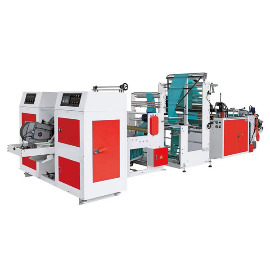
Plastic Bag Making Machine
Where to find used machines: Reliable sources include specialized used machinery dealers who inspect, refurbish, and often offer short warranties. Online platforms like Exapro, MachineryZone, and eBay Industrial list many machines with photos and videos. Auctions from bankruptcies or plant closures can yield bargains but are "as-is" with no return. Industry networks and local packaging associations often have bulletin boards. When searching, use specific keywords: "used bag making machine," "second hand T-shirt bag machine," "pre-owned vest bag machine," etc. Also, consider contacting manufacturers – they sometimes have trade-in units or demo machines for sale. Always verify the seller's reputation through reviews and references.
Inspection checklist: Before committing, gather all available information: machine model, year of manufacture, total operating hours (if recorded), maintenance logs, and reason for sale. Ideally, visit the machine in person. Check structural integrity – look for rust, cracks, or signs of heavy impact. Run the machine at low and high speeds; listen for unusual vibrations or grinding noises. Examine sealing bars – they should be smooth and flat; pitted bars indicate heavy use and may need resurfacing. Inspect heaters and thermocouples – test temperature accuracy. Check blade sharpness and wear. For servo machines, check encoder and drive condition; request error logs. Inspect the electrical panel for burn marks or loose connections. For pneumatic systems, check for leaks and cylinder smoothness. For hydraulic, look for oil leaks and check oil color (dark = degraded). Take photos and make notes.
Test run with your material: This is critical. Bring a roll of your film and run it through the machine to produce sample bags. Check bag length consistency, seal strength (use a peel tester), print registration (if applicable), and stacking quality. Compare the output with your quality standards. If the seller refuses a test run, consider it a red flag. Ask for a video of the machine running the same film type if an in-person visit is impossible. Also, request a list of any recent repairs or replacement parts – this gives insight into what may need attention soon.
Refurbishment and repairs: After purchase, you may need to refurbish some parts. Common refurbishments include resurfacing sealing bars, replacing heaters and thermocouples, sharpening or replacing blades, and changing belts and bearings. For older control systems, consider retrofitting with a modern PLC or servo drives to improve speed and energy efficiency. Factor these costs into your budget – typically 10-20% of the purchase price. Some dealers offer refurbished machines with new consumables and a warranty, which reduces risk. Negotiate a price that accounts for necessary repairs.
Pricing and negotiation: Used machine prices vary by age, condition, and market demand. A 5-year-old machine in excellent condition may cost 60-70% of new; a 10-year-old may be 30-40%. Offer 20-30% below asking as a starting point. Request a trial period or an escrow arrangement where payment is released after successful acceptance. Ensure the contract specifies exactly what is included (spare parts, manuals, tools). For international purchases, consider hiring an inspection service to verify the machine condition before payment. Finally, plan for transportation and installation – used machines often come without installation support, so budget for rigging and professional setup. By following this comprehensive guide, buyers can acquire a
used bag making machine that delivers reliable performance at a fraction of the cost, making it a smart choice for many packaging businesses.