ziplock bag making machine
A ziplock bag making machine is a specialized bag production system that incorporates a zipper applicator to attach a reclosable plastic zipper track to the opening of a bag, providing an airtight and watertight seal that can be opened and closed multiple times. These machines are essential for producing zipper bags used in food storage, household organization, medical specimen collection, and electronics packaging. The ziplock feature adds significant value to the bag, commanding higher prices and meeting consumer demand for convenience and product freshness. Ziplock bag making machines are among the most complex in the bag making family, requiring precise alignment of the zipper profile with the film, accurate sealing of the zipper to the film, and synchronization with the bag forming and cutting stations. Speeds are typically lower than other bag types, ranging from 80 to 150 bags per minute, due to the additional processing steps.
The production process on a ziplock bag making machine starts with unwinding the main film (usually a co-extruded or laminated structure for barrier properties). The film passes through a zipper applicator station where a zipper profile (male and female tracks) is fed from separate rolls and guided to the film's opening edge. The zipper is heated and pressed onto the film using a combination of heat and pressure, fusing the zipper's flanges to the film. This is a critical step requiring precise temperature control (typically 180-250°C) and pressure adjustment to ensure a strong bond without melting the zipper teeth. After zipper attachment, the film may pass through a cooling roller to set the bond. Next, the film proceeds to the bottom sealing station, followed by side sealing (if producing side-seal bags) or bottom sealing only for simple pouches. A cutting station separates individual bags, and a final inspection may include a zipper functionality test (e.g., pulling force test). Some machines also include a slider applicator for slider-type zippers, adding another complexity.
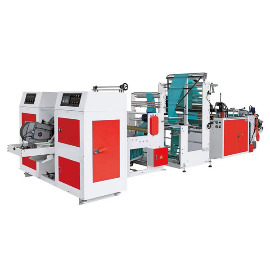
Plastic Bag Making Machine
Key technical specifications for ziplock bag making machines include zipper width (typically 2-10 mm), zipper material compatibility (PE, PP, or custom profiles), bag width (100-500 mm for consumer bags, up to 800 mm for industrial), bag length (150-800 mm), film thickness (30-150 microns), and production speed (80-150 BPM for standard, up to 180 BPM for high-speed servo models). The zipper applicator station must have independent temperature control zones for the top and bottom flanges, with accuracy of ±1°C. The pressure applied by the zipper sealing rollers is usually 3-8 bar, with servo control for consistent force. The machine requires a high-precision film guiding system with side registration to keep the film edge aligned with the zipper track, typically using ultrasonic or optical sensors. Power consumption ranges from 20 to 50 kW, with compressed air demand of 6-8 bar at 800 L/min. Stacking is more challenging because zipper bags have a thicker profile at the opening, so the stacker uses a special compression plate to flatten the zipper area for neat stacking.
ziplock bag making machines are heavily used in the food packaging industry for snacks, frozen vegetables, deli meats, cheese, and dry fruits, where the reclosable feature extends shelf life and maintains freshness after opening. Household storage bags for food and non-food items (hardware, toys) are also produced on these machines. Medical and pharmaceutical sectors use zipper bags for sterile specimen collection and IV solution packaging, with stringent requirements for zipper seal integrity and cleanliness. Electronics packaging uses zipper bags with anti-static properties for protecting sensitive components. The growing trend of sustainable packaging has led to machines adapted for biodegradable zippers and films, though these materials have lower melting points and require careful temperature adjustment. Some machines are now equipped with in-line printing for branding and usage instructions directly on the zipper bag.
Selecting a ziplock bag making machine requires careful evaluation of the zipper type and alignment accuracy. Decide between press-to-close zippers (interlocking profiles) and slider zippers (with a sliding closure). Press-to-close is simpler and cheaper, while slider zippers offer easier operation for consumers but require a slider applicator module. The zipper applicator must be adjustable to accommodate different zipper widths and thicknesses. Alignment accuracy is crucial – misalignment of more than 0.5 mm can cause zipper failure. Machines with automatic edge guidance and vision systems are preferred. Production speed is often limited by the zipper sealing process; if you need higher output, consider dual-head applicator systems that apply two zippers simultaneously. Also, verify the machine's ability to handle the film material, especially co-extruded films with barrier layers (EVOH, nylon) that have different sealing properties. Ensure the cooling system is adequate to prevent warping of the zipper area after sealing.
Maintenance of a ziplock bag making machine centers on the zipper applicator unit. The zipper sealing rollers must be kept clean of any residue; clean them daily with a soft cloth and approved solvent. The zipper guide rails and feed wheels require regular inspection for wear, as worn parts cause zipper misalignment. Check the temperature sensors and heating elements monthly, as inconsistent temperature is the primary cause of poor zipper adhesion. The film guiding sensors must be calibrated weekly to maintain accurate registration. For slider applicators, the slider chute and placement mechanism need regular lubrication to ensure smooth operation. Also, inspect the cutting blade that separates bags, as it must cut through both film and zipper material without fraying the zipper ends. Keep a supply of zipper profile rolls and cleaning agents, as changing zipper types requires thorough cleaning of the applicator. By prioritizing the zipper section, operators can achieve reliable production of high-quality reclosable bags that meet consumer expectations for durability and functionality.